
Have your child's feet been examined lately? Healthy feet are happy feet. If your child is complaining of foot pain, it may be a sign of underlying problems.
Have your child's feet been examined lately? Healthy feet are happy feet. If your child is complaining of foot pain, it may be a sign of underlying problems.

Corns on the feet are small areas of hard, thickened skin that develop in response to repeated pressure or rubbing. They are different from calluses, which usually cover a larger area of rough, thick skin. Corns frequently form on the toes or other parts of the foot exposed to concentrated pressure. They can feel tender or painful, especially when shoes press against them. Some corns remain painless, but discomfort can increase when the hardened area continues to receive pressure. Pain from a corn can eventually interfere with walking and normal daily activities.
Shoes that are too tight, too loose, or the wrong size can contribute to corn formation. High heels can also increase pressure on certain areas of the foot. Foot structure can play a role because bone problems may create areas that rub against shoes. As people age, the natural fat padding on the bottom of the feet can decrease. This can leave some areas exposed to greater pressure. Corns that bleed or produce pus or discharge require attention. Severe pain that limits normal activities is another reason to have the foot evaluated.
A podiatrist can examine the hardened skin to confirm that it is a corn and identify the pressure causing it. Treatment can include carefully removing thickened skin and using specialized pads to reduce pressure on the painful area. A podiatrist can also provide custom insoles when foot mechanics contribute to repeated friction. Patients with diabetes or circulation problems should have corns evaluated because foot problems can become more serious. Addressing shoe fit and pressure points can also help reduce the chance that corns will return. If you have symptoms of corns on the feet, it is suggested that you schedule an appointment with a podiatrist for diagnosis and treatment.
If you have any concerns regarding your feet and ankles, contact one of out podiatrists of Alta Ridge Foot Specialist. Our doctors will treat your foot and ankle needs.
Corns: What Are They? and How Do You Get Rid of Them?
Corns can be described as areas of the skin that have thickened to the point of becoming painful or irritating. They are often layers and layers of the skin that have become dry and rough, and are normally smaller than calluses.
Ways to Prevent Corns
There are many ways to get rid of painful corns such as wearing:
Treating Corns
Treatment of corns involves removing the dead skin that has built up in the specific area of the foot. Consult with Our doctors to determine the best treatment option for your case of corns.
If you have any questions, please feel free to contact our offices located in Mars Hill, Spruce Pine, and Boone, NC . We offer the newest diagnostic and treatment technologies for all your foot care needs.
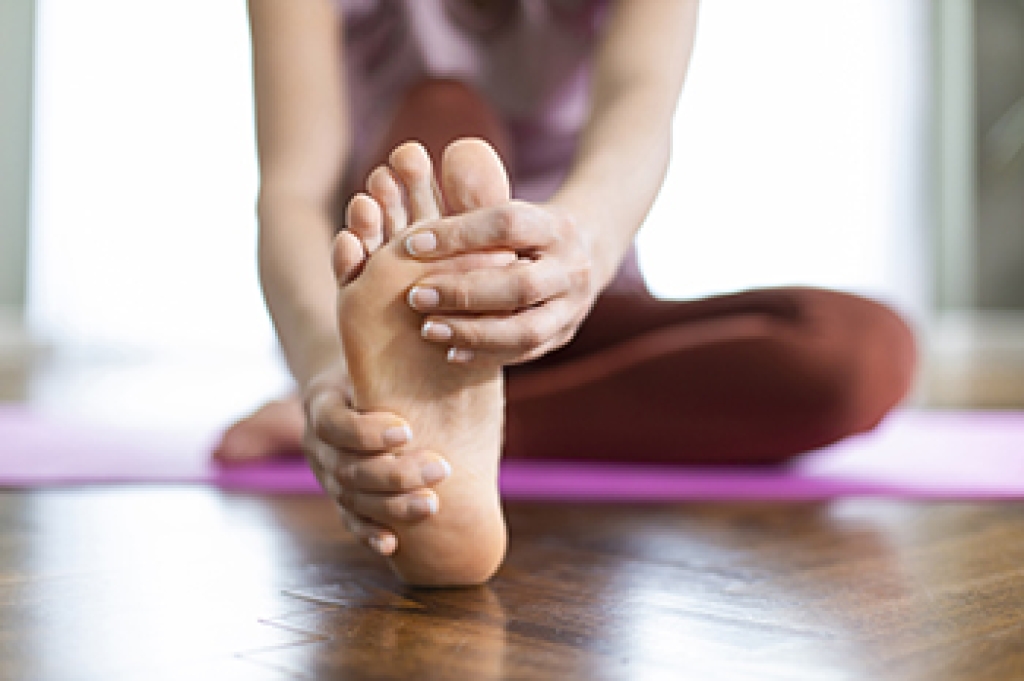
Toe pain can develop after an injury, and a fracture is one possible cause. Toe fractures commonly occur when a heavy object falls on the foot or when a toe is forcefully stubbed. These injuries can affect movement because the toes help support the foot while walking. Common signs of a fractured toe include pain, swelling, and tenderness. Bleeding may also develop beneath the toenail, particularly when the toe has been crushed. Although many toe fractures involve little movement of the broken bone, certain injuries can be more complicated and require medical attention.
Diagnosing a toe fracture depends partly on the location and appearance of the injury. X-rays may be needed when the toe appears rotated, a joint may be involved, or part of the big toe is injured. When imaging is necessary, different X-ray views can help medical professionals examine the damaged bone. A displaced fracture means that the broken portions of bone have moved out of their normal position. A toe that appears deformed may indicate a more complicated injury. Fractures involving the big toe can require particular attention because this toe plays an important role in supporting the foot.
A podiatrist can examine toe pain after an injury and determine whether a fracture may be responsible. The examination can assess swelling and tenderness while checking the position of the injured toe. Imaging can provide additional information when needed. Treatment depends on the type and severity of the injury. Many toe fractures involve stabilizing the injured toe next to another toe. However, a displaced fracture may require the bone to be returned to its proper position before stabilization. Certain fractures may require other measures to keep the bone positioned during healing. Professional evaluation can help determine appropriate treatment. If ongoing toe pain, swelling, or tenderness follows an injury, it is suggested that you consult a podiatrist for an evaluation and appropriate treatment options.
Toe pain can disrupt your daily activities. If you have any concerns, contact one of out podiatrists of Alta Ridge Foot Specialist. Our doctors can provide the care you need to keep you pain-free and on your feet.
What Causes Toe Pain?
Most severe toe pain is caused due to a sports injury, trauma from dropping something heavy on the toe, or bumping into something rigid. Other problems can develop over time for various reasons.
Toe pain can be caused by one or more ailments. The most common include:
When to See a Podiatrist
Diagnosis
In many cases the cause of toe pain is obvious, but in others, a podiatrist may want to use more advanced methods to determine the problem. These can range from simple visual inspections and sensation tests to X-rays and MRI scans. Prior medical history, family medical history, and any recent physical traumatic events will all be taken into consideration for a proper diagnosis.
Treatment
Treatments for toe pain and injuries vary and may include shoe inserts, padding, taping, medicines, injections, and in some cases, surgery. If you believe that you have broken a toe, please see a podiatrist as soon as possible.
If you have any questions please contact our offices located in Mars Hill, Spruce Pine, and Boone, NC . We offer the newest diagnostic and treatment technologies for all your foot and ankle needs.

Shoes that fit correctly can protect the feet. Poorly-fitting shoes can cause blisters, corns, and calluses. They can also create added pressure and contribute to pain in the heels or arches. Since foot size and shape can change with age, relying on an old measurement may lead to the wrong fit. Both feet should be measured while standing, preferably later in the day when swelling is more likely. Length, width, and arch length matter.
Shoe sizes vary between brands, so the number on the box may only be a guide. Shoes should fit the larger foot, because one foot is frequently bigger. Experts suggest leaving about half an inch between the longest toe and the front of the shoe. The toe box should be wide enough for the toes to move without rubbing or feeling squeezed. Walk around to check for heel slipping, pressure, or pinching. A suitable shoe should feel comfortable right away and bend near the ball of the foot, where the toes naturally bend. Laces or adjustable straps can help hold the foot securely.
When pain continues or a foot condition makes buying shoes difficult, a podiatrist can evaluate shoe fit. The examination includes checking foot shape, joint movement, and pressure points. A podiatrist can determine whether the shoe provides enough support for the patient’s activity and foot structure. Recommendations can address heel height, cushioning, and toe-box space. For patients with diabetes, nerve damage, or a history of sores, careful fitting is important because rubbing may go unnoticed. Custom orthotics can improve pressure distribution when standard shoe support is not enough. A podiatrist can recommend specialty shoes or modifications to accommodate a bunion, hammertoe, or difference in foot size. If you have foot pain that may be related to your shoes, it is suggested that you schedule an appointment with a podiatrist for relief tips, and helpful guidance on how to choose shoes that fit properly.
Finding a properly-fitting shoe is important in reducing injuries and preventing foot problems. For more information about treatment, contact one of out podiatrists from Alta Ridge Foot Specialist. Our doctors will treat your foot and ankle needs.
Proper Shoe Fitting
A common concern when it comes to foot health, having properly fitted shoes can help prevent injuries to the foot. Out feet affect our posture and gait, which in turn affects the biomechanics and overall bodily structure. With 33 joints, 26 bones, and over 100 ligaments, the potential for serious injury is much greater than one realizes. Although the feet cease growth in adulthood, they still change shape as they mature. Here are some factors to consider when it comes to investing in proper fitting shoes:
Keeping in mind how shoes fit the biomechanics of your body, properly-fitting shoes are vitally important. Fortunately, it is not difficult to acquire footwear that fits correctly. Be sure to wear shoes that support the overall structure of your body. Do your feet a favor and invest in several pairs of well-fitted shoes today.
If you have any questions, please feel free to contact our offices located in Mars Hill, Spruce Pine, and Boone, NC . We offer the newest diagnostic and treatment technologies for all your foot care needs.
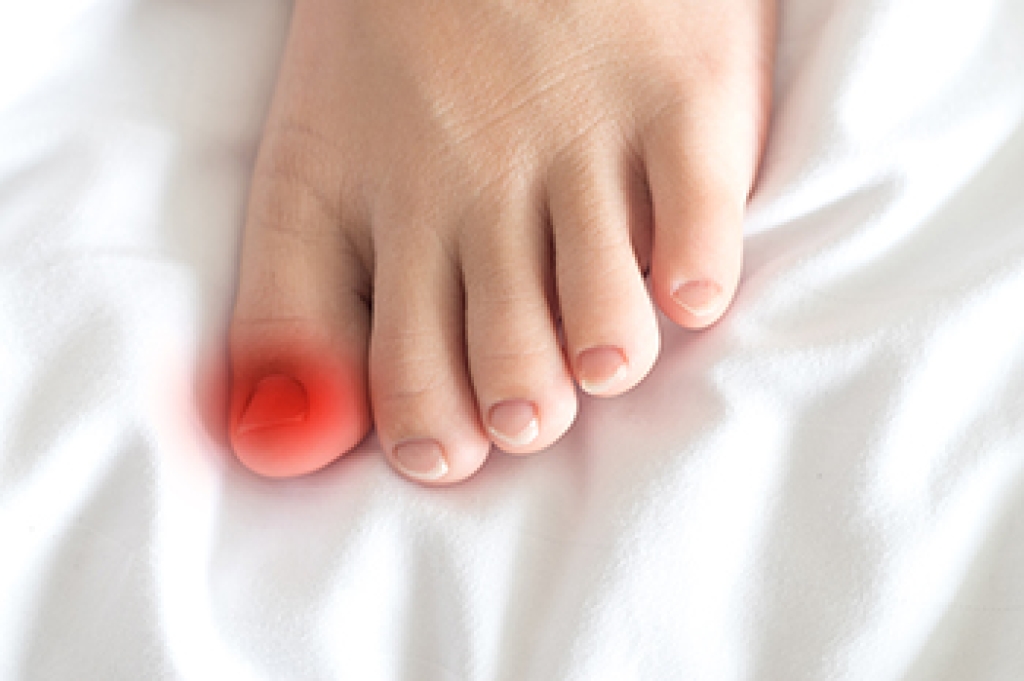
Ingrown toenails are a common foot problem seen by podiatrists, often affecting the big toe. They occur when the edge of the nail grows into the surrounding skin instead of over it. The area may be red, swollen, or even infected, sometimes with drainage or overgrown skin. It often feels sore at first, then progresses to sharp pain, throbbing, and discomfort when walking or wearing shoes. Causes include improper nail trimming, tight footwear, and genetics. A podiatrist can help from the start by properly diagnosing the condition and ruling out infection or other nail disorders. Treatment may begin with gentle nail care and inflammation control, then move into in-office procedures to remove the ingrown portion of the nail. Ongoing care may include prevention guidance, nail correction, or permanent solutions when needed. Early treatment helps prevent infection and ongoing pain. If you have a painful ingrown toenail, it is suggested that you make an appointment with a podiatrist.
Ingrown toenails can become painful if they are not treated properly. For more information about ingrown toenails, contact one of out podiatrists of Alta Ridge Foot Specialist. Our doctors can provide the care you need to keep you pain-free and on your feet.
Ingrown Toenails
Ingrown toenails occur when a toenail grows sideways into the bed of the nail, causing pain, swelling, and possibly infection.
Causes
Prevention
Wearing proper fitting shoes and using proper cutting techniques will also help decrease your risk of developing ingrown toenails.
Treatment
Ingrown toenails are a very treatable foot condition. In minor cases, soaking the affected area in salt or antibacterial soaps will not only help with the ingrown nail itself, but also help prevent any infections from occurring. In more severe cases, surgery is an option. In either case, speaking to your podiatrist about this condition will help you get a better understanding of specific treatment options that are right for you.
If you have any questions, please feel free to contact our offices located in Mars Hill, Spruce Pine, and Boone, NC . We offer the newest diagnostic and treatment technologies for all your foot care needs.
