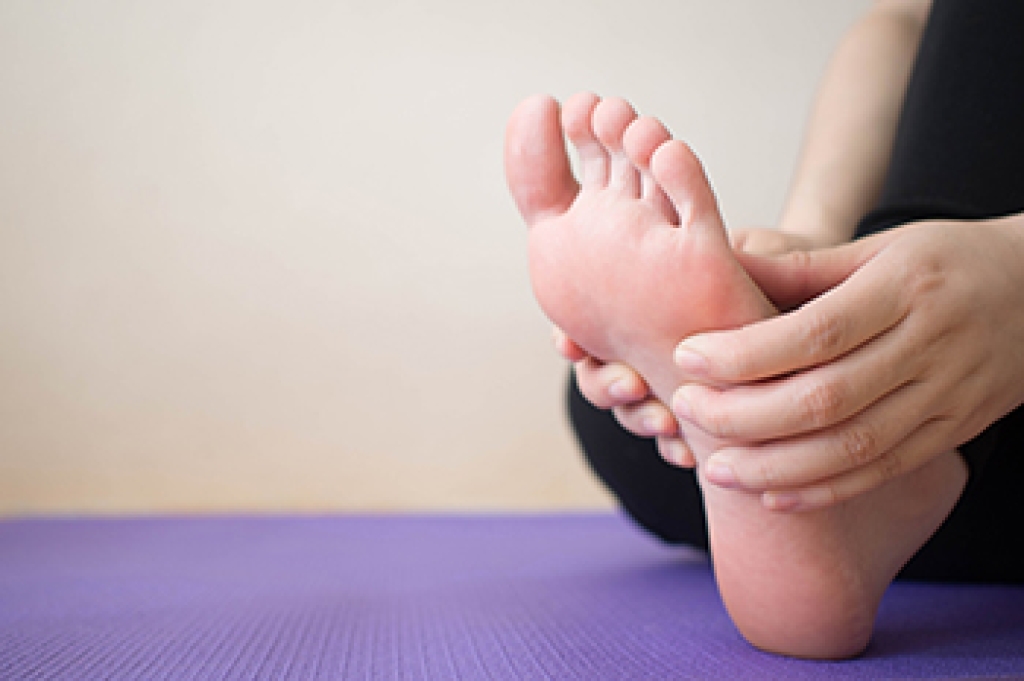
Cuboid Syndrome and Lateral Midfoot Pain

Cuboid syndrome is a foot condition that affects the cuboid bone, which is located on the outer side of the midfoot. This small bone plays an important role in maintaining foot stability and supporting normal walking mechanics. Cuboid syndrome occurs when the bone becomes partially displaced or misaligned, often due to excessive strain or sudden injury. This disruption can interfere with normal joint movement and lead to discomfort in the lateral midfoot. The condition is often seen in athletes and individuals who engage in repetitive weight-bearing activities.

The symptoms of cuboid syndrome typically include pain along the outer midfoot, especially during walking or standing. Patients may also notice swelling, tenderness, and a feeling of weakness in the foot. In some cases, the pain may worsen with push-off movements or side-to-side motion. Difficulty walking is a common concern, as the discomfort can limit mobility and affect balance. These symptoms can resemble other foot injuries, which makes accurate identification important for proper care.


Several causes and risk factors contribute to the development of cuboid syndrome. A common cause is an ankle sprain that places stress on the surrounding structures, leading to cuboid misalignment. Repetitive strain from running, jumping, or prolonged standing can also increase the risk. Wearing poor footwear that lacks proper support may contribute to uneven pressure on the foot. Individuals with high arches or abnormal foot mechanics may be more prone to this condition due to altered weight distribution.


Managing cuboid syndrome involves addressing both the symptoms and the underlying cause. Rest, wearing supportive footwear, and targeted therapies can help reduce pain and improve foot function. Early recognition and appropriate care are essential to prevent ongoing discomfort and mobility issues. Taking steps to protect the midfoot can support long-term foot health. If you have pain in this area of your foot, it is suggested that you consult a podiatrist who can accurately diagnose and treat cuboid syndrome.  

Cuboid syndrome, also known as cuboid subluxation, occurs when the joints and ligaments near the cuboid bone in the foot become torn. If you have cuboid syndrome, consult with one of out podiatrists from Alta Ridge Foot Specialist. Our doctors will assess your condition and provide you with quality foot and ankle treatment.

Cuboid syndrome is a common cause of lateral foot pain, which is pain on the outside of the foot. The condition may happen suddenly due to an ankle sprain, or it may develop slowly overtime from repetitive tension through the bone and surrounding structures.

Causes

The most common causes of cuboid syndrome include:

  • Injury – The most common cause of this ailment is an ankle sprain.
  • Repetitive Strain – Tension placed through the peroneus longus muscle from repetitive activities such as jumping and running may cause excessive traction on the bone causing it to sublux.
  • Altered Foot Biomechanics – Most people suffering from cuboid subluxation have flat feet.

Symptoms

A common symptom of cuboid syndrome is pain along the outside of the foot which can be felt in the ankle and toes. This pain may create walking difficulties and may cause those with the condition to walk with a limp.

Diagnosis

Diagnosis of cuboid syndrome is often difficult, and it is often misdiagnosed. X-rays, MRIs and CT scans often fail to properly show the cuboid subluxation. Although there isn’t a specific test used to diagnose cuboid syndrome, your podiatrist will usually check if pain is felt while pressing firmly on the cuboid bone of your foot.

Treatment

Just as the range of causes varies widely, so do treatments. Some more common treatments are ice therapy, rest, exercise, taping, and orthotics.

If you have any questions, please feel free to contact our offices located in Mars Hill, Spruce Pine, and Boone, NC . We offer the newest diagnostic and treatment technologies for all your foot care needs.


Read more about Cuboid Syndrome

Heel Pain Can Be Treated!

Do you suffer from heel pain when you get up in the morning? If so, you should seek professional help and have a proper diagnosis performed. Heel pain can be caused by several different foot-related conditions.

Causes and Treatment of Foot Stress Fractures

A foot stress fracture is a small crack in a bone caused by repeated pressure. It develops when bone tissue breaks down faster than the body can rebuild it. Runners, dancers, and athletes in high-impact sports face greater risk. A sudden increase in training can place too much strain on the feet. Other risk factors include low bone strength, poor foot alignment, and shoes that lack proper support. Pain usually develops gradually and worsens with activity. Swelling and tenderness can occur near the injured bone.

A podiatrist can determine whether the pain comes from a stress fracture or another foot problem. The examination includes a review of recent activities, the location of tenderness, and changes in training habits. X-rays can help identify a fracture, but a hairline crack does not always appear. A podiatrist can order an MRI scan or another imaging test for a closer view. Early diagnosis is important because continued pressure can enlarge the crack and delay healing. A serious fracture can also move out of its normal position. Surgery is rarely required, but it can become necessary when a fracture is unstable or fails to heal properly.

Rest from the activity that caused the injury gives the bone time to heal. A podiatrist can protect the foot with a walking boot, cast, or crutches. The choice depends on the injured bone and the severity of the crack. Follow-up visits allow the podiatrist to track healing and decide when activity can safely resume. Returning too quickly raises the chance of another injury. Prevention includes increasing training by no more than 10 percent each week and avoiding sudden changes in intensity. Patients should choose well-fitting shoes designed for their activity and replace worn-out pairs. A podiatrist can assess foot structure, recommend custom orthotics, and guide a safe return to exercise. If you have symptoms of a foot stress fracture, it is suggested that you schedule an appointment with a podiatrist for a diagnosis and appropriate treatment.

Stress fractures occur when there is a tiny crack within a bone. To learn more, contact one of out podiatrists from Alta Ridge Foot Specialist. Our doctors can provide the care you need to keep you pain free and on your feet.

How Are They Caused?

Stress fractures are the result of repetitive force being placed on the bone. Since the lower leg and feet often carry most of the body’s weight, stress fractures are likely to occur in these areas. If you rush into a new exercise, you are more likely to develop a stress fracture since you are starting too much, too soon.  Pain resulting from stress fractures may go unnoticed at first, however it may start to worsen over time.

Risk Factors

  • Gender – They are more commonly found in women compared to men.
  • Foot Problems – People with unusual arches in their feet are more likely to develop stress fractures.
  • Certain Sports – Dancers, gymnasts, tennis players, runners, and basketball players are more likely to develop stress fractures.
  • Lack of Nutrients – A lack of vitamin D and calcium may weaken the bones and make you more prone to stress fractures
  • Weak Bones – Osteoporosis can weaken the bones therefore resulting in stress fractures

Stress fractures do not always heal properly, so it is important that you seek help from a podiatrist if you suspect you may have one. Ignoring your stress fracture may cause it to worsen, and you may develop chronic pain as well as additional fractures.

If you have any questions please contact our offices located in Mars Hill, Spruce Pine, and Boone, NC . We offer the newest diagnostic and treatment technologies for all your foot and ankle needs.

Read more about Dealing with Stress Fractures of the Foot and Ankle

Podiatrists Help Relieve the Pressure of Tarsal Tunnel Syndrome

Tarsal tunnel syndrome develops when a nerve becomes compressed near the inside of the ankle. This nerve travels through a narrow passage called the tarsal tunnel. It then divides into branches that serve the bottom of the foot. Pressure in this area can cause pain behind the inner ankle or along the heel, arch, and sole. Symptoms also include burning, tingling, or numbness that reaches the toes. The discomfort usually worsens while standing or walking, but it can also disrupt sleep or other daily activities.

Several problems can place pressure on the nerve. Causes include a cyst, swelling, or scar tissue within the tunnel. An ankle injury or a foot deformity can narrow the space around the nerve. Flat feet can increase strain by changing the position of the ankle and foot. Arthritis, poor vein function, and swollen ankle tendons are other possible factors. A podiatrist begins the evaluation by asking about symptoms and examining the foot. Gentle pressure or tapping below the inner ankle may produce tingling, which can help locate the irritated nerve.

A podiatrist can also assess foot structure, joint motion, and areas of swelling. Nerve tests can measure how well electrical signals travel through the affected area. Imaging can reveal a cyst or another growth that is pressing on the nerve. Treatment focuses on reducing pressure and supporting better foot alignment. A podiatrist can provide custom orthotics, apply supportive strapping, or recommend an appropriate brace. In certain cases, an injection can reduce inflammation around the nerve. When a growth causes compression or other care does not bring enough relief, surgery can create more room for the nerve. Early evaluation can help prevent continued nerve irritation and guide treatment toward the underlying cause. If you have symptoms of tarsal tunnel syndrome, it is suggested that you schedule an appointment with a podiatrist for a diagnosis and appropriate treatment.

Ankle pain can be caused by a number of problems and may be potentially serious. If you have ankle pain, consult with one of out podiatrists from Alta Ridge Foot Specialist. Our doctors will assess your condition and provide you with quality foot and ankle treatment.

Ankle pain is any condition that causes pain in the ankle. Due to the fact that the ankle consists of tendons, muscles, bones, and ligaments, ankle pain can come from a number of different conditions.

Causes

The most common causes of ankle pain include:

  • Types of arthritis (rheumatoid, osteoarthritis, and gout)
  • Ankle sprains
  • Broken ankles
  • Achilles tendonitis
  • Achilles tendon rupture
  • Stress fractures
  • Bursitis
  • Tarsal tunnel syndrome
  • Plantar fasciitis

Symptoms

Symptoms of ankle injury vary based upon the condition. Pain may include general pain and discomfort, swelling, aching, redness, bruising, burning or stabbing sensations, and/or loss of sensation.

Diagnosis

Due to the wide variety of potential causes of ankle pain, podiatrists will utilize a number of different methods to properly diagnose ankle pain. This can include asking for personal and family medical histories and of any recent injuries. Further diagnosis may include sensation tests, a physical examination, and potentially x-rays or other imaging tests.

Treatment

Just as the range of causes varies widely, so do treatments. Some more common treatments are rest, ice packs, keeping pressure off the foot, orthotics and braces, medication for inflammation and pain, and surgery.

If you have any questions please feel free to contact our offices located in Mars Hill, Spruce Pine, and Boone, NC . We offer the newest diagnostic tools and technology to treat your foot and ankle needs.

Read more about Ankle Pain

Types and Causes of Heel Pain

Heel pain can make every step uncomfortable and interfere with work, exercise, and daily activities. The discomfort sometimes begins gradually, but it can also start after an injury. Pain near the bottom of the heel frequently points to plantar fasciitis. This results from repetitive stress of the strong band of tissue that supports the arch. Pain at the back of the heel can result from Achilles tendonitis or bursitis. A sudden injury with severe pain, swelling, or a popping sound can signal a heel fracture or a torn Achilles tendon. Because several conditions produce similar symptoms, an exam by a podiatrist is important before treatment begins.

This foot doctor starts by reviewing symptoms, daily activities, and recent injuries. The foot and ankle are examined to identify any swelling, tenderness, or changes in movement. Imaging tests, like X-rays or ultrasound, help confirm certain conditions and rule out a fracture or other serious injury. Once the cause is identified, treatment includes custom orthotics to improve foot support and reduce strain on painful areas. It also includes padding that reduces pressure and recommendations for shoes that provide proper support. When symptoms do not improve with conservative care, surgery is considered for selected conditions.

Ignoring heel pain can limit normal movement and allow the problem to become more difficult to manage. Prompt care also helps patients return to comfortable walking with greater confidence. Heel pain linked to a fracture, severe tendon injury, or another serious condition benefits from early diagnosis. Long-lasting discomfort benefits from a professional evaluation, because it can indicate a serious problem. A podiatrist develops a treatment plan based on the specific cause of the pain and follows your progress to improve comfort and foot function. Early evaluation also helps address worsening symptoms before they disrupt mobility. If you have heel pain, it is suggested that you schedule an appointment with a podiatrist for an accurate diagnosis and appropriate treatment.

Many people suffer from bouts of heel pain. For more information, contact one of out podiatrists of Alta Ridge Foot Specialist. Our doctors can provide the care you need to keep you pain-free and on your feet.

Causes of Heel Pain

Heel pain is often associated with plantar fasciitis. The plantar fascia is a band of tissues that extends along the bottom of the foot. A rip or tear in this ligament can cause inflammation of the tissue.

Achilles tendonitis is another cause of heel pain. Inflammation of the Achilles tendon will cause pain from fractures and muscle tearing. Lack of flexibility is also another symptom.

Heel spurs are another cause of pain. When the tissues of the plantar fascia undergo a great deal of stress, it can lead to ligament separation from the heel bone, causing heel spurs.

Why Might Heel Pain Occur?

  • Wearing ill-fitting shoes                
  • Wearing non-supportive shoes
  • Weight change           
  • Excessive running

Treatments

Heel pain should be treated as soon as possible for immediate results. Keeping your feet in a stress-free environment will help. If you suffer from Achilles tendonitis or plantar fasciitis, applying ice will reduce the swelling. Stretching before an exercise like running will help the muscles. Using all these tips will help make heel pain a condition of the past.

If you have any questions, please feel free to contact our offices located in Mars Hill, Spruce Pine, and Boone, NC . We offer the newest diagnostic and treatment technologies for all your foot care needs.

Read more about Heel Pain

Arthritis Foot Care for Better Comfort and Mobility

Arthritis can affect the joints of the foot and ankle, making everyday movement more difficult and uncomfortable. Healthy joints contain smooth cartilage that allows bones to move easily against one another. When this protective tissue wears down or becomes damaged, pain, stiffness, and inflammation may develop. Arthritis in the foot can affect walking, climbing stairs, and standing for long periods. Some people notice symptoms gradually, while others experience worsening discomfort over time. Because the foot contains many joints that work together during movement, arthritis can significantly affect balance and mobility. A professional evaluation is important to identify the affected joints and determine the most appropriate treatment. Early foot care may also help preserve joint function and reduce the impact of arthritis on daily activities.


Symptoms of foot arthritis vary depending on the joints involved and the severity of the condition. Many people experience joint pain, swelling, or stiffness that becomes more noticeable after periods of activity. Others develop tenderness or difficulty moving the affected joint through its normal range of motion. As arthritis progresses, walking may become more painful, and everyday activities may require greater effort. Some individuals also notice changes in the shape of the foot because of joint damage over time. Prompt evaluation can help determine the source of pain and support treatment before symptoms continue to worsen.


A podiatrist specializes in diagnosing and treating arthritis that affects the feet and ankles. During an examination, the podiatrist evaluates joint function, reviews symptoms, and determines which areas are contributing to pain before developing an individualized treatment plan. Treatment focuses on reducing discomfort, improving mobility, and helping patients maintain better foot function. Early podiatry care may also help slow the progression of joint problems and improve overall quality of life. If you are experiencing foot pain, joint stiffness, or swelling related to arthritis, it is suggested that you consult a podiatrist for an evaluation and appropriate treatment options.

Arthritis can be a difficult condition to live with. If you are seeking treatment, contact one of out podiatrists from Alta Ridge Foot Specialist. Our doctors can provide the care you need to keep you pain-free and on your feet.

Arthritic Foot Care  

Arthritis is a term that is commonly used to describe joint pain.  The condition itself can occur to anyone of any age, race, or gender, and there are over 100 types of it.  Nevertheless, arthritis is more commonly found in women compared to men, and it is also more prevalent in those who are overweight. The causes of arthritis vary depending on which type of arthritis you have. Osteoarthritis for example, is often caused by injury, while rheumatoid arthritis is caused by a misdirected immune system.

Symptoms

  • Swelling
  • Pain
  • Stiffness
  • Decreased Range of Motion

Arthritic symptoms range in severity, and they may come and go. Some symptoms stay the same for several years but could potentially get worse with time. Severe cases of arthritis can prevent its sufferers from performing daily activities and make walking difficult.

Risk Factors

  • Occupation – Occupations requiring repetitive knee movements have been linked to osteoarthritis
  • Obesity – Excess weight can contribute to osteoarthritis development
  • Infection – Microbial agents can infect the joints and trigger arthritis
  • Joint Injuries – Damage to joints may lead to osteoarthritis
  • Age – Risk increases with age
  • Gender –Most types are more common in women
  • Genetics – Arthritis can be hereditary

If you suspect your arthritis is affecting your feet, it is crucial that you see a podiatrist immediately. Your doctor will be able to address your specific case and help you decide which treatment method is best for you.

If you have any questions please feel free to contact our offices located in Mars Hill, Spruce Pine, and Boone, NC . We offer the newest diagnostic tools and technology to treat your foot and ankle needs.

Read more about How to Care for Your Arthritic Foot

Reminder: When Was the Last Time...?

Custom orthotics, or shoe inserts, should be periodically replaced. Orthotics must fit properly to give you the best results. Protect your feet and ankles!

Causes of Swollen Feet During Pregnancy

Swollen feet during pregnancy are a common condition that develops as the body adapts to support a growing baby. This swelling, known as edema, occurs when excess fluid collects in the tissues of the feet and ankles. Hormonal changes play a major role, as they cause blood vessels to relax and can slow circulation. At the same time, increased body weight and pressure from the uterus can affect blood flow, leading to fluid buildup in the lower extremities. Many women also notice that their feet appear larger, which can be a result of ligament relaxation and structural changes.

Symptoms often include visible swelling in the feet and ankles, a feeling of tightness in shoes, and mild discomfort while walking or standing. The skin may appear stretched or shiny, and some women experience a heavy sensation in the lower legs. Foot growth during pregnancy is influenced by hormones that loosen ligaments, allowing the arch to flatten slightly. This can lead to a permanent increase in foot size for some individuals, especially after multiple pregnancies.


Risk factors include prolonged standing, high sodium intake, and warm weather conditions that promote fluid retention. Hormonal shifts and natural weight gain place additional stress on the feet, increasing the likelihood of swelling and discomfort. Preventive measures and relief strategies include drinking enough water to support circulation, elevating the feet when possible, and wearing compression socks to reduce fluid buildup. Wearing comfortable and supportive shoes with proper cushioning can also help maintain foot stability.


Managing foot health during pregnancy is important for comfort and mobility. Taking simple steps to reduce swelling can improve daily function and overall well being. Monitoring symptoms and making supportive lifestyle adjustments can make a noticeable difference. If you have swollen or painful feet during your pregnancy, it is suggested that you consult a podiatrist for effective relief and management tips. 

Pregnant women with swollen feet can be treated with a variety of different methods that are readily available. For more information about other cures for swollen feet during pregnancy, consult with one of out podiatrists from Alta Ridge Foot Specialist. Our doctors will attend to all of your foot and ankle needs.

What Foot Problems Can Arise During Pregnancy?

One problem that can occur is overpronation, which occurs when the arch of the foot flattens and tends to roll inward.  This can cause pain and discomfort in your heels while you’re walking or even just standing up, trying to support your baby.  

Another problem is edema, or swelling in the extremities. This often affects the feet during pregnancy but tends to occur in the later stages. 

How Can I Keep My Feet Healthy During Pregnancy?

  • Wearing orthotics can provide extra support for the feet and help distribute weight evenly
  • Minimize the amount of time spent walking barefoot
  • Wear shoes with good arch support
  • Wear shoes that allow for good circulation to the feet
  • Elevate feet if you experience swelling
  • Massage your feet
  • Get regular, light exercise, such as walking, to promote blood circulation to the feet

If you have any questions, please feel free to contact our offices located in Mars Hill, Spruce Pine, and Boone, NC . We offer the newest diagnostic and treatment technologies for all your foot care needs.

Read more about Pregnancy and Foot Health

Why Falls Lead to Foot and Ankle Injuries

Falls are a leading cause of foot and ankle injuries, especially in active adults and aging populations. These injuries occur when sudden impact or awkward positioning places stress on the ankle joint. The joint functions as a hinge that allows movement while maintaining stability. When a fall forces the joint beyond its normal range, ligaments can stretch or tear, and bones may fracture. Recognizing the causes behind these injuries helps guide effective prevention.

Common symptoms include pain, swelling, bruising, and reduced mobility. Many individuals experience difficulty walking or standing after a fall. In some cases, there may be a popping sensation at the time of injury, followed by instability. Ignoring these symptoms can lead to improper healing and long term complications such as chronic ankle instability or arthritis.


Risk factors vary but often include age-related changes in balance and strength. Occupations that involve climbing or working on uneven surfaces increase exposure to falls. Certain medications that cause dizziness or drowsiness can impair coordination. Underlying health conditions, such as poor circulation or nerve damage, may also reduce awareness of foot placement. Gender differences in footwear and activity levels can further influence injury risk.


Effective prevention focuses on improving stability and reducing hazards. Wearing well fitted, supportive shoes helps maintain balance and reduce strain on the ankle. Regular exercise can strengthen muscles and improve coordination. Creating a safe environment at home and work is important, in addition to reviewing medications with a healthcare provider. If you have concerns about falls prevention or have sustained a foot or ankle injury, it is strongly suggested that you seek care from a podiatrist for a proper evaluation and treatment.

Preventing falls among the elderly is very important. If you are older and have fallen or fear that you are prone to falling, consult with one of out podiatrists from Alta Ridge Foot Specialist. Our doctors will assess your condition and provide you with quality advice and care.

Every 11 seconds, an elderly American is being treated in an emergency room for a fall related injury. Falls are the leading cause of head and hip injuries for those 65 and older. Due to decreases in strength, balance, senses, and lack of awareness, elderly persons are very susceptible to falling. Thankfully, there are a number of things older persons can do to prevent falls.

How to Prevent Falls

Some effective methods that older persons can do to prevent falls include:

  • Enrolling in strength and balance exercise program to increase balance and strength
  • Periodically having your sight and hearing checked
  • Discuss any medications you have with a doctor to see if it increases the risk of falling
  • Clearing the house of falling hazards and installing devices like grab bars and railings
  • Utilizing a walker or cane
  • Wearing shoes that provide good support and cushioning
  • Talking to family members about falling and increasing awareness

Falling can be a traumatic and embarrassing experience for elderly persons; this can make them less willing to leave the house, and less willing to talk to someone about their fears of falling. Doing such things, however, will increase the likelihood of tripping or losing one’s balance. Knowing the causes of falling and how to prevent them is the best way to mitigate the risk of serious injury.  

If you have any questions, please feel free to contact our offices located in Mars Hill, Spruce Pine, and Boone, NC . We offer the newest diagnostic and treatment technologies for all your foot care needs.

Read more about Falls Prevention

Painful Growth on Your Foot May Be a Plantar Wart

Plantar warts are small, rough growths that form on the bottom of the foot. They are caused by HPV, which stands for human papillomavirus. This virus can enter through tiny cuts or weak spots in the skin. These warts are frequently found on the heel or ball of the foot because those areas take the most pressure. That pressure can push the wart inward under thick, hardened skin. A plantar wart can look like a callus, but it can also have tiny black dots. These dots are small, clotted blood vessels, not seeds. Pain can occur when standing or when walking, especially if the wart is in a weight-bearing spot.

Plantar warts can spread on the same foot, and some people develop a cluster which are called mosaic warts. The virus grows well in warm, moist places like locker rooms, pool areas, and shared showers. Children, teenagers, and people with weaker immune systems are more likely to get them. A podiatrist can tell whether the growth is a wart, a corn, or another skin problem. This matters because different foot growths need different care. The podiatrist examines the skin lines, checks for tenderness, and looks for signs that the wart has grown inward. A clear diagnosis helps prevent delays in treatment.

Professional treatment focuses on removing the wart safely and reducing pain. A podiatrist can trim thick skin from the area, apply medicine in the office, or use freezing treatment. Some patients need repeated visits because plantar warts can be stubborn. Your podiatrist can also check whether the wart is changing your step and causing strain in other areas of the foot. This is important because pain can affect posture, balance, and daily activity. Patients with diabetes, poor feeling in the feet, or a weak immune system should seek care promptly. If you have developed a plantar wart, it is suggested that you schedule an appointment with a podiatrist for diagnosis and appropriate treatment.

Plantar warts can be very uncomfortable. If you need your feet checked, contact one of out podiatrists from Alta Ridge Foot Specialist. Our doctors will assist you with all of your foot and ankle needs.

About Plantar Warts

Plantar warts are the result of HPV, or human papillomavirus, getting into open wounds on the feet. They are mostly found on the heels or balls of the feet.

While plantar warts are generally harmless, those experiencing excessive pain or those suffering from diabetes or a compromised immune system require immediate medical care. Plantar warts are easily diagnosed, usually through scraping off a bit of rough skin or by getting a biopsy.

Symptoms

  • Lesions on the bottom of your feet, usually rough and grainy
  • Hard or thick callused spots
  • Wart seeds, which are small clotted blood vessels that look like little black spots
  • Pain, discomfort, or tenderness of your feet when walking or standing

Treatment

  • Freezing
  • Electric tool removal
  • Laser Treatment
  • Topical Creams (prescription only)
  • Over-the-counter medications

To help prevent developing plantar warts, avoid walking barefoot over abrasive surfaces that can cause cuts or wounds for HPV to get into. Avoiding direct contact with other warts, as well as not picking or rubbing existing warts, can help prevent the further spread of plantar warts. However, if you think you have developed plantar warts, speak to your podiatrist. He or she can diagnose the warts on your feet and recommend the appropriate treatment options.

If you have any questions, please feel free to contact our offices located in Mars Hill, Spruce Pine, and Boone, NC . We offer the newest diagnostic and treatment technologies for all your foot care needs.

Read more about Plantar Warts
scroll to top