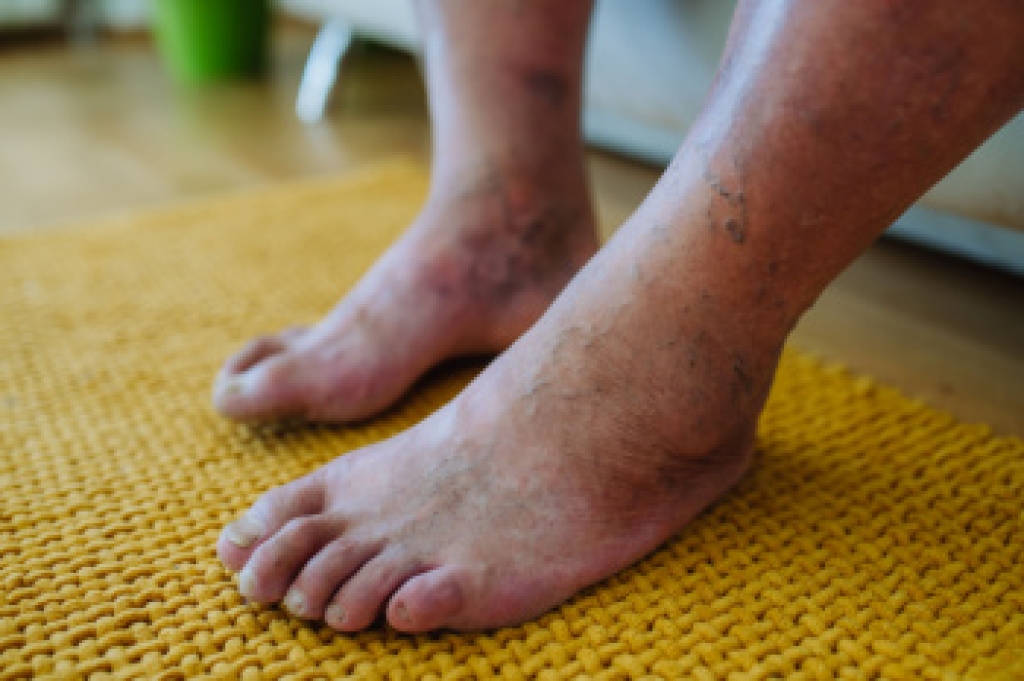
Athlete’s Foot and the Role of a Podiatrist

Athlete’s foot is a fungal infection that affects the upper layer of skin on the foot. It often begins between the toes and can spread if not treated properly. Symptoms include white patches, itching, cracked skin, and discomfort that can become painful over time. This condition is commonly caused by wearing tight shoes that trap moisture and by exposure to warm and moist environments, such as locker rooms or public showers. Risk factors include excessive sweating, poor foot hygiene, and prolonged use of damp footwear. A podiatrist can help by diagnosing the infection, providing effective treatment, and offering guidance on prevention. If you notice signs of athlete’s foot, it is suggested that you consult  a podiatrist who can offer relief and treatment solutions, which may include prescribed medication.

test

Read more about All About Broken Ankle

How Podiatric Care Supports Limb Salvage

Limb salvage focuses on preserving a foot or leg when serious conditions threaten tissue health and function. Podiatric care plays a key role in this process, especially for individuals with diabetes, poor circulation, or chronic wounds. Early evaluation allows problems such as ulcers, infection, or pressure-related damage to be identified before they worsen. Treatment may include wound care, pressure relief, infection control, and improving blood flow, when possible. Careful monitoring and regular follow-up help track healing and prevent complications. In some cases, surgical procedures are used to remove damaged tissue or correct deformities that place the limb at risk. Education is also important, as patients need to learn how to protect their feet and recognize early warning signs. With a coordinated approach, many limbs can be preserved and function maintained. If you have a non-healing foot wound or signs of infection, it is suggested that you see a podiatrist for a proper diagnosis and appropriate treatment.

Diabetic Limb Salvage

Diabetic limb salvage can be an effective way in preventing the need for limb amputation. If you have a foot ulcer and diabetes, consult with one of out podiatrists from Alta Ridge Foot Specialist. Our doctors will assess your condition and provide you with quality foot and ankle treatment.

What Is Diabetic Limb Salvage?

Diabetic limb salvage is the attempt of saving a limb, such as the foot, that has an infected ulcer, from amputation. Podiatrists also try to make sure that there is enough function in the foot after the salvage that it is still usable. Those with diabetes experience poor blood circulation, which prevents proper healing of an ulcer. If the ulcer is left uncheck, it could become infected, which could result in the need for amputation.

Diabetes is the number one cause of non-traumatic amputations in the United States. Amputation has been found to lead to higher mortality rates. This translates into higher healthcare costs, and a reduced quality of life and mobility for amputees. Podiatrists have attempted to increase the prevalence of limb salvage in an attempt to solve these issues.

Diagnosis and Treatment

Limb salvage teams have grown in recent years that utilize a number of different treatments to save the infected limb. This includes podiatrists that specialize in wound care, rehabilitation, orthotics, and surgery. Through a combination of these methods, limb salvage has been found to be an effective treatment for infected limbs, and as an alternative to amputation. Podiatrists will first evaluate the potential for limb salvage and determine if the limb can be saved or must be amputated. 

If you have any questions, please feel free to contact our offices located in Mars Hill, Spruce Pine, and Boone, NC . We offer the newest diagnostic and treatment technologies for all your foot care needs.

Read more about Diabetic Limb Salvage

Stretches to Ease Heel Pain From Plantar Fasciitis

Plantar fasciitis is a frequent cause of heel pain that develops when the thick band of tissue under the foot becomes strained. Repetitive impact from running, long hours on hard surfaces, or tight calf muscles can lead to small tears, swelling, and pain. A podiatrist can recommend specific exercises to reduce tension and improve flexibility. Among them are calf stretches performed against a wall to loosen the large muscles in the back of the lower leg. Big toe stretches that gently pull the toe upward to lengthen the plantar fascia also help. In addition, towel-assisted or resistance-band stretches can help improve ankle motion. A podiatrist may also prescribe orthotics, taping, and footwear guidance to support healing. If you are experiencing heel pain from plantar fasciitis, it is suggested that you make an appointment with a podiatrist for a diagnosis and treatment options.

Many people suffer from bouts of heel pain. For more information, contact one of out podiatrists of Alta Ridge Foot Specialist. Our doctors can provide the care you need to keep you pain-free and on your feet.

Causes of Heel Pain

Heel pain is often associated with plantar fasciitis. The plantar fascia is a band of tissues that extends along the bottom of the foot. A rip or tear in this ligament can cause inflammation of the tissue.

Achilles tendonitis is another cause of heel pain. Inflammation of the Achilles tendon will cause pain from fractures and muscle tearing. Lack of flexibility is also another symptom.

Heel spurs are another cause of pain. When the tissues of the plantar fascia undergo a great deal of stress, it can lead to ligament separation from the heel bone, causing heel spurs.

Why Might Heel Pain Occur?

  • Wearing ill-fitting shoes                
  • Wearing non-supportive shoes
  • Weight change           
  • Excessive running

Treatments

Heel pain should be treated as soon as possible for immediate results. Keeping your feet in a stress-free environment will help. If you suffer from Achilles tendonitis or plantar fasciitis, applying ice will reduce the swelling. Stretching before an exercise like running will help the muscles. Using all these tips will help make heel pain a condition of the past.

If you have any questions, please feel free to contact our offices located in Mars Hill, Spruce Pine, and Boone, NC . We offer the newest diagnostic and treatment technologies for all your foot care needs.

Read more about Heel Pain

Ingrown Toenail Surgery

Ingrown toenail surgery is performed to relieve pain and infection caused when the edge of a toenail grows into the surrounding skin. Ingrown toenails often leads to redness, swelling, and tenderness near the tip of the toe. Surgery may be recommended when conservative care does not provide lasting relief. One common procedure is a wedge resection, in which a small portion of the nail and surrounding tissue is carefully removed to reduce pressure on the skin. Toenail removal may involve partial or complete nail removal to treat severe cases. Additionally, matrixectomy is a technique that treats the nail growth center to prevent the problematic portion from returning. A podiatrist can evaluate the condition and provide safe, effective treatment to restore comfort and healthy nail growth. If you have an ingrown toenail that is painful and interfering with daily activities, it is suggested that you consult a podiatrist who can discuss whether you are a candidate for this type of foot surgery.

Foot surgery is sometimes necessary to treat a foot ailment. To learn more, contact one of out podiatrists of Alta Ridge Foot Specialist. Our doctors will assist you with all of your foot and ankle needs.

When Is Surgery Necessary?

Foot and ankle surgery is generally reserved for cases in which less invasive, conservative procedures have failed to alleviate the problem. Some of the cases in which surgery may be necessary include:

  • Removing foot deformities like bunions and bone spurs
  • Severe arthritis that has caused bone issues
  • Cosmetic reconstruction

What Types of Surgery Are There?

The type of surgery you receive will depend on the nature of the problem you have. Some of the possible surgeries include:

  • Bunionectomy for painful bunions
  • Surgical fusion for realignment of bones
  • Neuropathy decompression surgery to treat nerve damage

Benefits of Surgery

Although surgery is usually a last resort, it can provide more complete pain relief compared to non-surgical methods and may allow you to finally resume full activity.

Surgical techniques have also become increasingly sophisticated. Techniques like endoscopic surgery allow for smaller incisions and faster recovery times.

If you have any questions, please feel free to contact our offices located in Mars Hill, Spruce Pine, and Boone, NC . We offer the newest diagnostic and treatment technologies for all your foot care needs.

Read more about Foot and Ankle Surgery

Gout Pain Can Be Managed

Gout is a painful, inflammatory form of arthritis. Those affected will typically feel an intense stiffness in the joints of their feet, particularly in the big toe. Schedule a visit to learn about how gout can be managed and treated.

scroll to top