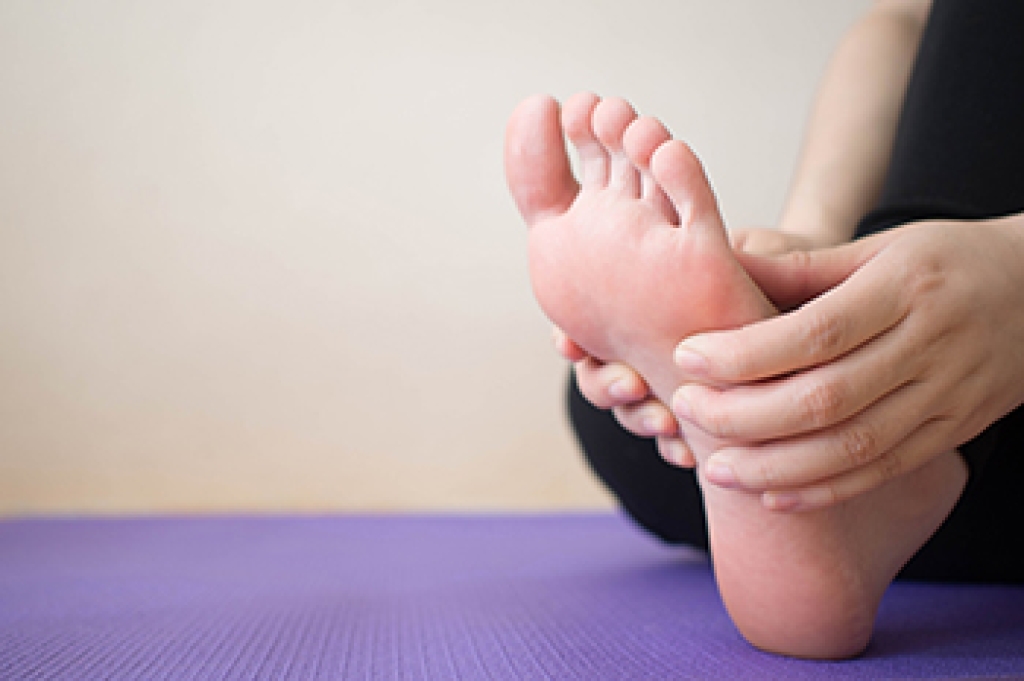
Understanding Ankle Effusion

An ankle effusion refers to a buildup of fluid inside the joint that causes swelling, pain, and stiffness. The ankle can feel tight or sore when walking. Some people notice warmth or difficulty when moving the joint. Ankle effusion often develops after a sprain, a hard blow to the foot, or repeated stress from sports activities. It can also result from arthritis, infection, or inflammation caused by the immune system. A podiatrist can examine the ankle and order imaging tests, such as X-rays or scans, to look for hidden injuries like small fractures or torn tissue. Treatment focuses on reducing the swelling and improving comfort. Care includes anti-inflammatory medication, ankle bracing, and removing excess fluid from the joint. Patients are also guided on ways to protect the ankle to avoid swelling and joint damage. If you have a swollen ankle, it is suggested that you schedule an appointment with a podiatrist for effective treatment.

Swollen feet can be a sign of an underlying condition. If you have any concerns, contact one of out podiatrists of Alta Ridge Foot Specialist. Our doctors can provide the care you need to keep you pain-free and on your feet.

Swollen feet are a common ailment among pregnant women and people who stand or sit for extended periods. Aging may increase the possibility of swollen feet and patients who are obese often notice when their feet are swelling too. There may be medical reasons why swollen feet occur:

  • Phlebitis - A condition that causes the veins to become inflamed and can also cause leg pain.
  • Liver disease - This may lead to low blood levels of albumin which is a protein. This can cause fluid in the blood to pass into the tissues and several areas of the body can become swollen.
  • Heart failure - When the heart doesn’t pump properly the blood that is normally pumped back to the heart can pool in the veins of the legs causing swollen feet.
  • Kidney disease - One of the main functions of the kidneys is releasing excess fluid in the body. This type of condition can make it difficult for the kidneys to function properly, and as a result the feet may become swollen.
  • Deep-vein thrombosis (DVT)- This is a serious condition where blood clots form in the veins of the legs. They can block the return of blood from the legs to the heart which may cause the feet to swell. It is important to be treated by a podiatrist if this condition is present.

Swollen feet can also be caused by bone and tendon conditions, including fractures, arthritis, and tendinitis. Additionally, there may be skin and toenail conditions and an infection may cause the feet to swell. Patients who take medicine to treat high blood pressure may be prone to getting swollen feet. 

Many patients elevate their feet to help relieve the swelling and this is generally a temporary remedy. When a podiatrist is consulted the reason behind the swelling can be uncovered and subsequently treated.

If you have any questions please contact our offices located in Mars Hill, Spruce Pine, and Boone, NC . We offer the newest diagnostic and treatment technologies for all your foot and ankle needs.

Read more about Swelling of the Feet

Understanding Clubfoot in Children

Clubfoot is a condition present at birth where a baby’s foot is twisted out of its normal position, often pointing downward and inward. It can affect one or both feet and may appear smaller or tighter than usual. The exact cause is not always known, but it is linked to abnormal development of muscles, tendons, and bones in the foot before birth. Risk factors may include family history, certain genetic conditions, or limited space in the womb during pregnancy. Without treatment, walking may become difficult as the child grows and the foot remains stiff or misaligned. Early treatment is important, and often involves stretching, casting, bracing, or other corrective methods guided by a specialist. A podiatrist can help assess severity, monitor progress, and support long term foot function and alignment. If your child has been born with this condition, it is suggested that you include a podiatrist on your healthcare team for optimal support and corrective healing.

Congenital foot problems require immediate attention to avoid future complications. If you have any concerns, contact one of out podiatrists of Alta Ridge Foot Specialist. Our doctors can provide the care you need to keep you pain-free and on your feet.

Congenital foot problems are deformities affecting the feet, toes, and/or ankles that children are born with. Some of these conditions have a genetic cause while others just happen. Some specific foot ailments that children may be born with include clubfeet, polydactyly/macrodactyly, and cleft foot. There are several other foot anomalies that can occur congenitally. What all of these conditions have in common is that a child may experience difficulty walking or performing everyday activities, as well as trouble finding footwear that fits their foot deformity. Some of these conditions are more serious than others. Consulting with a podiatrist as early as possible will help in properly diagnosing a child’s foot condition while getting the necessary treatment underway.

What are Causes of Congenital Foot Problem?

A congenital foot problem is one that happens to a child at birth. These conditions can be caused by a genetic predisposition, developmental or positional abnormalities during gestation, or with no known cause.

What are Symptoms of Congenital Foot Problems?

Symptoms vary by the congenital condition. Symptoms may consist of the following:

  • Clubfoot, where tendons are shortened, bones are shaped differently, and the Achilles tendon is tight, causing the foot to point in and down. It is also possible for the soles of the feet to face each other.
  • Polydactyly, which usually consists of a nubbin or small lump of tissue without a bone, a toe that is partially formed but has no joints, or an extra toe.
  • Vertical talus, where the talus bone forms in the wrong position causing other bones in the foot to line up improperly, the front of the foot to point up, and the bottom of the foot to stiffen, with no arch, and to curve out.
  • Tarsal coalition, when there is an abnormal connection of two or more bones in the foot leading to severe, rigid flatfoot.
  • Cleft foot, where there are missing toes, a V-shaped cleft, and other anatomical differences.
  • Macrodactyly, when the toes are abnormally large due to overgrowth of the underlying bone or soft tissue.

Treatment and Prevention

While there is nothing one can do to prevent congenital foot problems, raising awareness and receiving neonatal screenings are important. Early detection by taking your child to a podiatrist leads to the best outcome possible.

If you have any questions, please feel free to contact our offices located in Mars Hill, Spruce Pine, and Boone, NC . We offer the newest diagnostic and treatment technologies for all your foot care needs.

Read more about Congenital Foot Problems

Ankle Movement and Injury Risk

The biomechanics of the ankle involve a complex system of bones, ligaments, and tendons, that allow the foot to move smoothly when walking, running, and standing. The ankle and foot work together to provide balance, absorb shock, and adapt to different surfaces. When this motion becomes uneven or strained, it can lead to sprains, tendon irritation, or joint instability. Poor alignment, overuse, or sudden changes in activity can disrupt normal movement patterns. People may notice pain, swelling, or a feeling of weakness when the ankle is not functioning properly. A podiatrist can evaluate gait, assess joint motion, and identify areas of imbalance that may be contributing to injury. Treatment may include supportive devices or targeted care to restore proper function. If you have ankle pain, it is suggested that you consult a podiatrist who can offer effective relief options.

If you have any concerns about your feet, contact one of out podiatrists from Alta Ridge Foot Specialist. Our doctors can provide the care you need to keep you pain-free and on your feet.

Biomechanics in Podiatry

Podiatric biomechanics is a particular sector of specialty podiatry with licensed practitioners who are trained to diagnose and treat conditions affecting the foot, ankle and lower leg. Biomechanics deals with the forces that act against the body, causing an interference with the biological structures. It focuses on the movement of the ankle, the foot and the forces that interact with them.

A History of Biomechanics

  • Biomechanics dates back to the BC era in Egypt where evidence of professional foot care has been recorded.
  • In 1974, biomechanics gained a higher profile from the studies of Merton Root, who claimed that by changing or controlling the forces between the ankle and the foot, corrections or conditions could be implemented to gain strength and coordination in the area.

Modern technological improvements are based on past theories and therapeutic processes that provide a better understanding of podiatric concepts for biomechanics. Computers can provide accurate information about the forces and patterns of the feet and lower legs.

Understanding biomechanics of the feet can help improve and eliminate pain, stopping further stress to the foot.

If you have any questions please feel free to contact our offices located in Mars Hill, Spruce Pine, and Boone, NC . We offer the newest diagnostic and treatment technologies for all your foot and ankle needs.

Read more about Biomechanics in Podiatry

How Bunions Form and Progress

A bunion is a foot deformity that affects the joint at the base of the big toe, causing it to shift out of proper alignment and form a visible bump along the side of the foot. This condition usually develops as the big toe leans toward the neighboring toes. It may cause discomfort, swelling, and limited movement, especially during walking or when wearing tight shoes. Contributing factors include genetics, poorly fitting footwear, and past injuries that weaken the joint. People with flat feet, arthritis, or jobs that involve long periods of standing may have a higher risk. A podiatrist can evaluate the condition, relieve pain, and recommend treatment to improve function and alignment. If you have developed a bunion, it is suggested that you consult a podiatrist treatment options.

If you are suffering from bunions, contact one of out podiatrists of Alta Ridge Foot Specialist. Our doctors can provide the care you need to keep you pain-free and on your feet.

What Is a Bunion?

A bunion is formed of swollen tissue or an enlargement of boney growth, usually located at the base joint of the toe that connects to the foot. The swelling occurs due to the bones in the big toe shifting inward, which impacts the other toes of the foot. This causes the area around the base of the big toe to become inflamed and painful.

Why Do Bunions Form?

Genetics – Susceptibility to bunions are often hereditary

Stress on the feet – Poorly fitted and uncomfortable footwear that places stress on feet, such as heels, can worsen existing bunions

How Are Bunions Diagnosed?

Podiatrists often perform two tests – blood tests and x-rays – when trying to diagnose bunions, especially in the early stages of development. Blood tests help determine if the foot pain is being caused by something else, such as arthritis, while x-rays provide a clear picture of your bone structure to your provider.

How Are Bunions Treated?

  • Refrain from wearing heels or similar shoes that cause discomfort
  • Select wider shoes that can provide more comfort and reduce pain
  • Anti-inflammatory and pain management drugs
  • Orthotics or foot inserts
  • Surgery

If you have any questions, please feel free to contact our offices located in Mars Hill, Spruce Pine, and Boone, NC . We offer the newest diagnostic and treatment technologies for all your foot care needs.

Read more about Bunions

Facts About In-Toeing in Children

In-toeing is a walking pattern in which the feet turn inward instead of pointing straight ahead. One common cause is metatarsus adductus. This condition develops in infancy when the foot is positioned inward while in the uterus. It can also appear later in childhood due to inward twisting of the shinbone. This may give the appearance of the toes pointing toward each other during walking. Risk factors include family history and developmental positioning. Symptoms include frequent tripping, uneven walking, or noticeable inward foot alignment. Many cases improve with growth, but some may need evaluation. A podiatrist can assess walking patterns and recommend guidance or treatment if needed. If you notice signs of in-toeing in your child, it is suggested that you consult a podiatrist who can help you to monitor this condition while supporting comfortable movement.

Making sure that your children maintain good foot health is very important as they grow. If you have any questions, contact one of out podiatrists of Alta Ridge Foot Specialist. Our doctors can provide the care you need to keep you pain-free and on your feet.

Keeping Children's Feet Healthy

Having healthy feet during childhood can help prevent medical problems later in life, namely in the back and legs. As children grow, their feet require different types of care. Here are some things to consider...

Although babies do not walk yet, it is still very important to take care of their feet.

Avoid putting tight shoes or socks on his or her feet.

Allow the baby to stretch and kick his or her feet to feel comfortable.

As a toddler, kids are now on the move and begin to develop differently. At this age, toddlers are getting a feel for walking, so don’t be alarmed if your toddler is unsteady or ‘walks funny’. 

As your child gets older, it is important to teach them how to take care of their feet.

Show them proper hygiene to prevent infections such as fungus.

Be watchful for any pain or injury.

Have all injuries checked by a doctor as soon as possible.

Comfortable, protective shoes should always be worn, especially at play.

If you have any questions, please feel free to contact our offices located in Mars Hill, Spruce Pine, and Boone, NC . We offer the newest diagnostic and treatment technologies for all your foot care needs.

Read more about What to Do to Keep Your Child’s Feet Healthy
scroll to top