
Finding the Right Shoes for Construction Workers

Choosing the right footwear is essential for construction workers who spend long hours on demanding surfaces. Safety toe shoes offer strong protection from falling objects, while metatarsal guard shoes add an extra layer that shields the top of the foot from heavy impact. Waterproof shoes help keep feet dry in wet environments and slip resistant shoes provide better traction on slick or uneven ground. Additionally, high cut shoes support the ankles and reduce the risk of sprains on unstable job sites. A podiatrist can guide workers in selecting footwear that fits properly, prevents pain, and supports long term foot health. If you have sustained a foot or ankle injury, it is suggested that you consult a podiatrist for expert advice and personalized care.

While working on the feet, it is important to take the proper care of them. For more information about working on your feet, contact one of out podiatrists from Alta Ridge Foot Specialist. Our doctors will treat your foot and ankle needs.

Working on Your Feet

Standing on your feet for long periods of time can cause stress and pain in your feet. Your whole body may experience change in terms of posture, back pain, bunions, callouses and or plantar warts. There are ways to avoid these conditions with proper foot care, smart choices and correct posture.

Positive Changes

Negative heeled shoe – Choosing this shoe type places the heel slightly lower than the ball of the foot. These are great for overall foot health. Find shoes that fit you correctly.

Go barefoot – Our feet were not designed to be enclosed for all hours of the day. Try to periodically expose your feet to air.

Eliminate Pain

Foot Exercises – Performing simple exercises, incorporating yoga and doing stretches are beneficial. This will allow increased blood flow to the area and muscles of the foot.

Achilles tendon – Stretching the foot out flat on the floor will relax the calf muscles and tendon. These exercises can be performed almost anywhere. Make sure you add these exercises to your daily regimen. 

With a little bit of this information and knowing more about foot health, you will notice changes. Foot stretches and proper footwear will help with pain and prevent further issues.

If you have any questions please contact our offices located in Mars Hill, Spruce Pine, and Boone, NC . We offer the newest diagnostic and treatment technologies for all your foot and ankle needs.

Read more about Working on Your Feet

How Sciatica Can Cause Foot Pain

Foot pain linked to sciatica occurs when the sciatic nerve, which extends from the lower back to the feet, becomes compressed or irritated. This compression disrupts nerve signals, causing pain that can radiate into the heel, arch, or toes. People often notice tingling, burning, or numbness on the top or bottom of the foot, and some experience weakness when standing on their toes or lifting the front of the foot. The discomfort can worsen when walking, wearing shoes that lack adequate support, or standing for long periods. A podiatrist can evaluate whether the source of pain is nerve-related or due to another foot condition, such as plantar fasciitis or tarsal tunnel syndrome. Diagnostic imaging and nerve testing can help confirm the cause. Treatment may involve orthotics, shoe adjustments, or surgery if nerve compression is severe. If you have symptoms of sciatica-related foot pain, it is suggested that you make an appointment with a podiatrist for a diagnosis and suggested treatment.

When dealing with systemic disease of the feet, it is extremely important to check the affected areas routinely so that any additional problems are caught quickly.  If you have any concerns about your feet and ankles contact one of out podiatrists from Alta Ridge Foot Specialist. Our doctors will assist you with all of your podiatric needs.

Systemic Diseases of the Feet

Systemic diseases affect the whole body, and symptoms usually are displayed in the feet. This condition can make a patient’s ability to walk unbearable.  Systemic diseases include gout, diabetes mellitus, neurological disorders, and arthritis.

Gout – is caused by an excess of uric acid in the body. Common symptoms include pain, inflammation, and redness at the metatarsal/phalangeal joint of the base big toe. Gout can be treated by NSAIDs to relieve pain and inflammation, and other drugs that lower the acid levels in the body.

Diabetes mellitus – is an increase in the level of blood sugar that the body cannot counteract with its own insulin. Failure to produce enough insulin is a factor in Diabetes.

Diabetes of the Feet

Diabetic Neuropathy – may lead to damaged nerves and affect the feet through numbness and loss of sensation.

Peripheral Vascular Disease – can restrict the blood flow to the feet, and often times lead to amputation of the feet. 

If you have any questions please contact our offices located in Mars Hill, Spruce Pine, and Boone, NC . We offer the newest diagnostic and treatment technologies for all your foot and ankle needs.

Read more about Systemic Diseases of the Foot

The Painful Reality of Plantar Fasciitis

Plantar fasciitis, one of the most common causes of heel pain, can affect anyone. However, it is more frequent in runners, people who are overweight, and those who spend long hours on their feet. It occurs when the plantar fascia, a thick band of tissue that supports the arch of the foot, becomes inflamed due to overuse, poor footwear, or foot structure issues. The condition often causes sharp pain near the heel, especially with the first steps in the morning or after periods of rest. The foot may look normal but feel tender, tight, and sore when walking or standing. A podiatrist can help by diagnosing the condition through physical examination, gait analysis, and imaging if needed. Treatment options include stretching exercises, orthotic devices, supportive footwear, and other therapies to reduce pain and inflammation. It is suggested that you make an appointment with a podiatrist if heel pain is limiting your daily activities. 

Plantar fasciitis is a common foot condition that is often caused by a strain injury. If you are experiencing heel pain or symptoms of plantar fasciitis, contact one of out podiatrists from Alta Ridge Foot Specialist. Our doctors can provide the care you need to keep you pain-free and on your feet.

What Is Plantar Fasciitis?

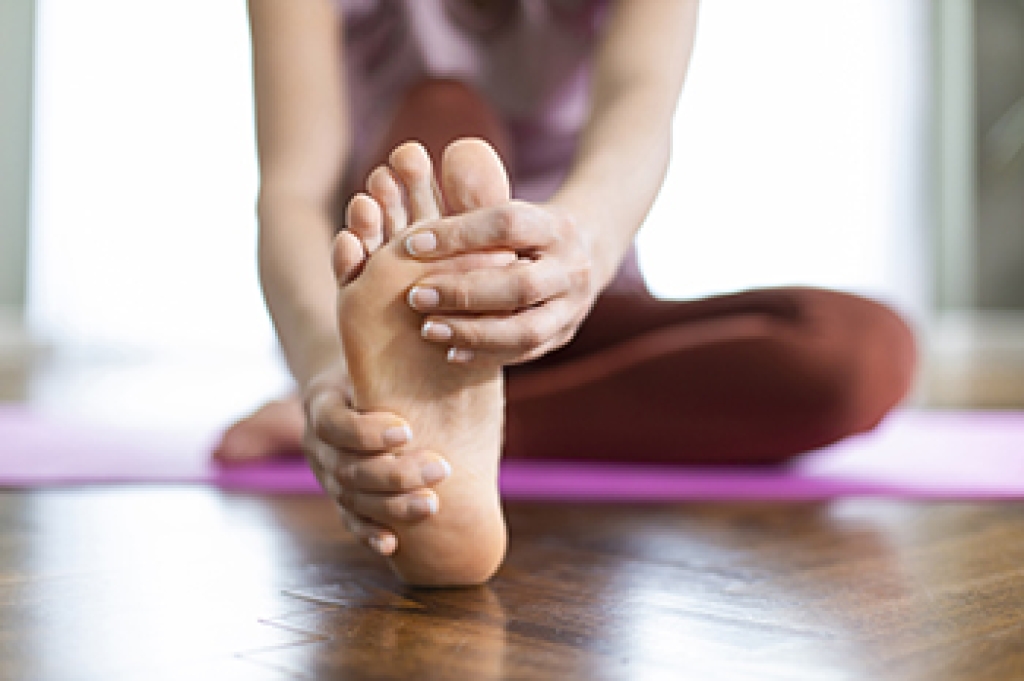
Plantar fasciitis is one of the most common causes of heel pain. The plantar fascia is a ligament that connects your heel to the front of your foot. When this ligament becomes inflamed, plantar fasciitis is the result. If you have plantar fasciitis you will have a stabbing pain that usually occurs with your first steps in the morning. As the day progresses and you walk around more, this pain will start to disappear, but it will return after long periods of standing or sitting.

What Causes Plantar Fasciitis?

  • Excessive running
  • Having high arches in your feet
  • Other foot issues such as flat feet
  • Pregnancy (due to the sudden weight gain)
  • Being on your feet very often

There are some risk factors that may make you more likely to develop plantar fasciitis compared to others. The condition most commonly affects adults between the ages of 40 and 60. It also tends to affect people who are obese because the extra pounds result in extra stress being placed on the plantar fascia.

Prevention

  • Take good care of your feet – Wear shoes that have good arch support and heel cushioning.
  • Maintain a healthy weight
  • If you are a runner, alternate running with other sports that won’t cause heel pain

There are a variety of treatment options available for plantar fasciitis along with the pain that accompanies it. Additionally, physical therapy is a very important component in the treatment process. It is important that you meet with your podiatrist to determine which treatment option is best for you.

If you have any questions, please feel free to contact our offices located in Mars Hill, Spruce Pine, and Boone, NC . We offer the newest diagnostic and treatment technologies for all your foot care needs.

 

Read more about Plantar Fasciitis

What Can Cause Cracked Heels?

Cracked heels are a common foot concern that can cause discomfort and affect daily activities. They often develop when the skin becomes dry and thickened, leading to painful splits. Cracked heels may occur due to itching from an injury, underlying endocrine disease, improper hygiene, or a lack of essential vitamins and minerals that support healthy skin. Symptoms include rough skin, redness, peeling, tenderness, and, in severe cases, bleeding. A podiatrist can identify the root cause and provide treatments such as debridement, moisturizing therapies, guidance on nutritional support, and advice on proper foot care habits. Addressing cracked heels early can prevent infection and ongoing pain. If you have developed cracked heels, it is suggested that you consult a podiatrist who can offer relief and effective treatment solutions, which may include prescribed medication.

Cracked heels are unsightly and can cause further damage to your shoes and feet. If you have any concerns, contact one of out podiatrists from Alta Ridge Foot Specialist. Our doctors can provide the care you need to keep you pain-free and on your feet.

Cracked Heels

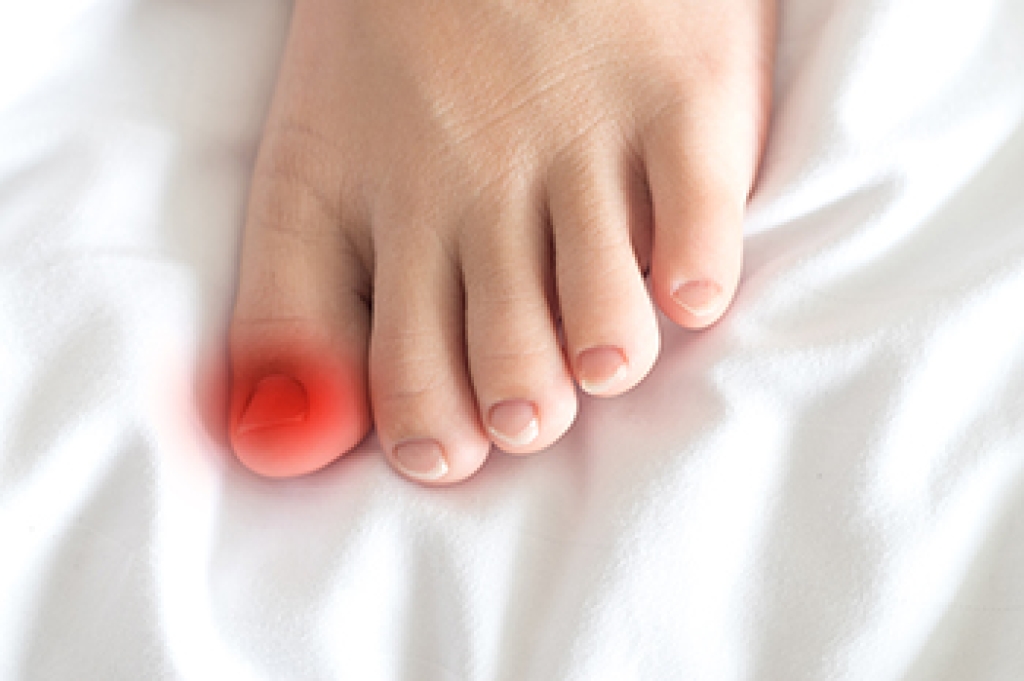
Cracked heels appear unappealing and can make it harder for you walk around in sandals. Aside from looking unpleasant, cracked heels can also tear stockings, socks, and wear out your shoes. There are several methods to help restore a cracked heel and prevent further damage.

How Do You Get Them?

Dry skin is the number one culprit in creating cracked heels. Many athletes, walkers, joggers, and even swimmers suffer from cracked heels. Age and skin oil production play a role to getting cracked heels as well.

Promote Healing

Over the counter medicines can help, especially for those that need instant relief or who suffer from chronic dry feet.

Wear Socks – Wearing socks with medicated creams helps lock in moisture.

Moisturizers – Applying both day and night will help alleviate dryness which causes cracking.

Pumice Stones – These exfoliate and remove dead skin, which allows for smoother moisturizer application and better absorption into the skin. 

Change in Diet

Eating healthy with a well-balanced diet will give the skin a fresh and radiant look. Your body responds to the kinds of food you ingest. Omega-3 fatty acids and zinc supplements can also revitalize skin tissue.

Most importantly, seek professional help if unsure how to proceed in treating cracked heels. A podiatrist will help you with any questions or information needed. 

If you have any questions, please feel free to contact our offices located in Mars Hill, Spruce Pine, and Boone, NC . We offer the newest diagnostic and treatment technologies for all your foot care needs.
Read more about Solutions for Cracked Heels

Keep Your Feet Healthy So You Can Stay Active

Have your feet inspected by a professional before starting a new sport or physical activity. Taking charge of your foot health will keep you in good physical condition and can help you avoid a potential injury, such as a fracture or sprained ankle.

Prevent injuries and see a foot specialist.

scroll to top