Ankle Movement and Injury Risk

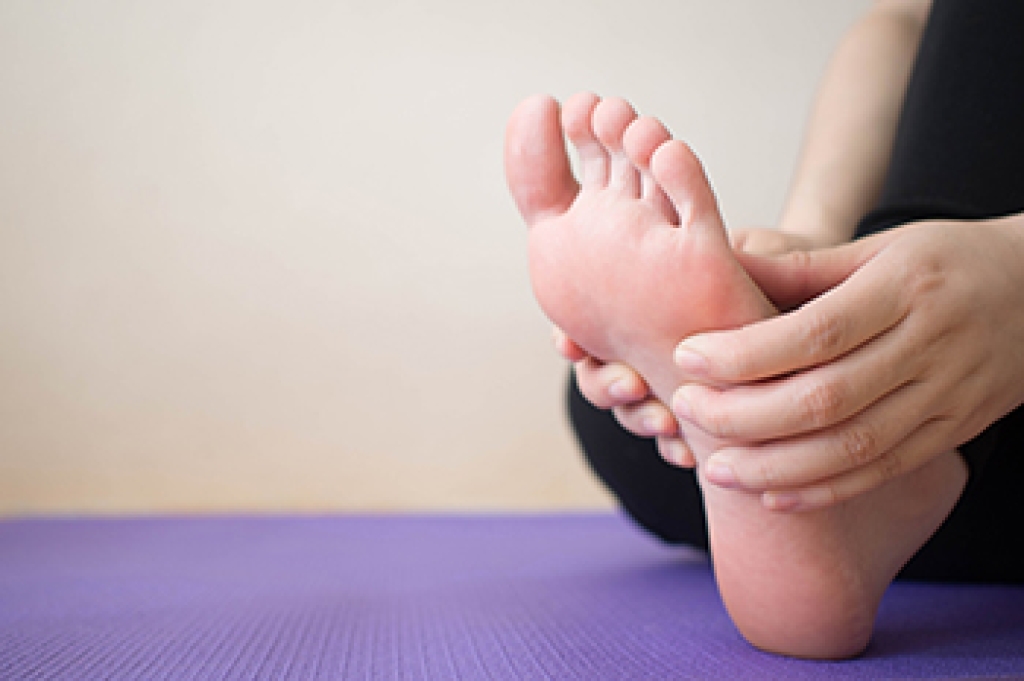
The biomechanics of the ankle involve a complex system of bones, ligaments, and tendons, that allow the foot to move smoothly when walking, running, and standing. The ankle and foot work together to provide balance, absorb shock, and adapt to different surfaces. When this motion becomes uneven or strained, it can lead to sprains, tendon irritation, or joint instability. Poor alignment, overuse, or sudden changes in activity can disrupt normal movement patterns. People may notice pain, swelling, or a feeling of weakness when the ankle is not functioning properly. A podiatrist can evaluate gait, assess joint motion, and identify areas of imbalance that may be contributing to injury. Treatment may include supportive devices or targeted care to restore proper function. If you have ankle pain, it is suggested that you consult a podiatrist who can offer effective relief options.

If you have any concerns about your feet, contact one of out podiatrists from Alta Ridge Foot Specialist. Our doctors can provide the care you need to keep you pain-free and on your feet.

Biomechanics in Podiatry

Podiatric biomechanics is a particular sector of specialty podiatry with licensed practitioners who are trained to diagnose and treat conditions affecting the foot, ankle and lower leg. Biomechanics deals with the forces that act against the body, causing an interference with the biological structures. It focuses on the movement of the ankle, the foot and the forces that interact with them.

A History of Biomechanics

  • Biomechanics dates back to the BC era in Egypt where evidence of professional foot care has been recorded.
  • In 1974, biomechanics gained a higher profile from the studies of Merton Root, who claimed that by changing or controlling the forces between the ankle and the foot, corrections or conditions could be implemented to gain strength and coordination in the area.

Modern technological improvements are based on past theories and therapeutic processes that provide a better understanding of podiatric concepts for biomechanics. Computers can provide accurate information about the forces and patterns of the feet and lower legs.

Understanding biomechanics of the feet can help improve and eliminate pain, stopping further stress to the foot.

If you have any questions please feel free to contact our offices located in Mars Hill, Spruce Pine, and Boone, NC . We offer the newest diagnostic and treatment technologies for all your foot and ankle needs.

Read more about Biomechanics in Podiatry

How Bunions Form and Progress

A bunion is a foot deformity that affects the joint at the base of the big toe, causing it to shift out of proper alignment and form a visible bump along the side of the foot. This condition usually develops as the big toe leans toward the neighboring toes. It may cause discomfort, swelling, and limited movement, especially during walking or when wearing tight shoes. Contributing factors include genetics, poorly fitting footwear, and past injuries that weaken the joint. People with flat feet, arthritis, or jobs that involve long periods of standing may have a higher risk. A podiatrist can evaluate the condition, relieve pain, and recommend treatment to improve function and alignment. If you have developed a bunion, it is suggested that you consult a podiatrist treatment options.

If you are suffering from bunions, contact one of out podiatrists of Alta Ridge Foot Specialist. Our doctors can provide the care you need to keep you pain-free and on your feet.

What Is a Bunion?

A bunion is formed of swollen tissue or an enlargement of boney growth, usually located at the base joint of the toe that connects to the foot. The swelling occurs due to the bones in the big toe shifting inward, which impacts the other toes of the foot. This causes the area around the base of the big toe to become inflamed and painful.

Why Do Bunions Form?

Genetics – Susceptibility to bunions are often hereditary

Stress on the feet – Poorly fitted and uncomfortable footwear that places stress on feet, such as heels, can worsen existing bunions

How Are Bunions Diagnosed?

Podiatrists often perform two tests – blood tests and x-rays – when trying to diagnose bunions, especially in the early stages of development. Blood tests help determine if the foot pain is being caused by something else, such as arthritis, while x-rays provide a clear picture of your bone structure to your provider.

How Are Bunions Treated?

  • Refrain from wearing heels or similar shoes that cause discomfort
  • Select wider shoes that can provide more comfort and reduce pain
  • Anti-inflammatory and pain management drugs
  • Orthotics or foot inserts
  • Surgery

If you have any questions, please feel free to contact our offices located in Mars Hill, Spruce Pine, and Boone, NC . We offer the newest diagnostic and treatment technologies for all your foot care needs.


Read more about Bunions

Facts About In-Toeing in Children

In-toeing is a walking pattern in which the feet turn inward instead of pointing straight ahead. One common cause is metatarsus adductus. This condition develops in infancy when the foot is positioned inward while in the uterus. It can also appear later in childhood due to inward twisting of the shinbone. This may give the appearance of the toes pointing toward each other during walking. Risk factors include family history and developmental positioning. Symptoms include frequent tripping, uneven walking, or noticeable inward foot alignment. Many cases improve with growth, but some may need evaluation. A podiatrist can assess walking patterns and recommend guidance or treatment if needed. If you notice signs of in-toeing in your child, it is suggested that you consult a podiatrist who can help you to monitor this condition while supporting comfortable movement.

Making sure that your children maintain good foot health is very important as they grow. If you have any questions, contact one of out podiatrists of Alta Ridge Foot Specialist. Our doctors can provide the care you need to keep you pain-free and on your feet.

Keeping Children's Feet Healthy

Having healthy feet during childhood can help prevent medical problems later in life, namely in the back and legs. As children grow, their feet require different types of care. Here are some things to consider...

Although babies do not walk yet, it is still very important to take care of their feet.

Avoid putting tight shoes or socks on his or her feet.

Allow the baby to stretch and kick his or her feet to feel comfortable.

As a toddler, kids are now on the move and begin to develop differently. At this age, toddlers are getting a feel for walking, so don’t be alarmed if your toddler is unsteady or ‘walks funny’. 

As your child gets older, it is important to teach them how to take care of their feet.

Show them proper hygiene to prevent infections such as fungus.

Be watchful for any pain or injury.

Have all injuries checked by a doctor as soon as possible.

Comfortable, protective shoes should always be worn, especially at play.

If you have any questions, please feel free to contact our offices located in Mars Hill, Spruce Pine, and Boone, NC . We offer the newest diagnostic and treatment technologies for all your foot care needs.
Read more about What to Do to Keep Your Child’s Feet Healthy

Plantar Warts Can Be Treated!

Plantar warts are small growths that develop on parts of the feet that bear weight. They're typically found on the bottom of the foot. Don't live with plantar warts, and call us today!

Getting Help for Diabetic Foot Ulcers

Diagnosing a diabetic foot ulcer begins with a careful exam of the foot. A podiatrist checks the size, depth, and signs of infection, and looks for problems with blood flow and nerve function. Simple tests include feeling pulses, testing sensation, and observing how you walk. X-rays or other imaging scans can help show deeper damage or bone infection. Treatment focuses on removing damaged tissue, controlling infection, and reducing pressure on the area. Special footwear or a protective cast may be used to off-load pressure and support healing. A podiatrist also monitors progress and may order antibiotics or further procedures as needed. Regular visits are important to track healing and prevent serious complications. Early care can improve healing time and lower the risk of infection. If you have symptoms of a diabetes-related foot ulcer, it is suggested that you  are under the care of a podiatrist who can provide treatment, and help you to manage this serious condition. 

Diabetic foot care is important in preventing foot ailments such as ulcers. If you are suffering from diabetes or have any other concerns about your feet, contact one of out podiatrists from Alta Ridge Foot Specialist. Our doctors can provide the care you need to keep you pain-free and on your feet.

Diabetic Foot Care

Diabetes affects millions of people every year. The condition can damage blood vessels in many parts of the body, especially the feet. Because of this, taking care of your feet is essential if you have diabetes, and having a podiatrist help monitor your foot health is highly recommended.

The Importance of Caring for Your Feet

  • Routinely inspect your feet for bruises or sores.
  • Wear socks that fit your feet comfortably.
  • Wear comfortable shoes that provide adequate support.

Patients with diabetes should have their doctor monitor their blood levels, as blood sugar levels play such a huge role in diabetic care. Monitoring these levels on a regular basis is highly advised.

It is always best to inform your healthcare professional of any concerns you may have regarding your feet, especially for diabetic patients. Early treatment and routine foot examinations are keys to maintaining proper health, especially because severe complications can arise if proper treatment is not applied.

If you have any questions, please feel free to contact our offices located in Mars Hill, Spruce Pine, and Boone, NC . We offer the newest diagnostic and treatment technologies for all your foot care needs.

Read more about Diabetic Foot Care
scroll to top