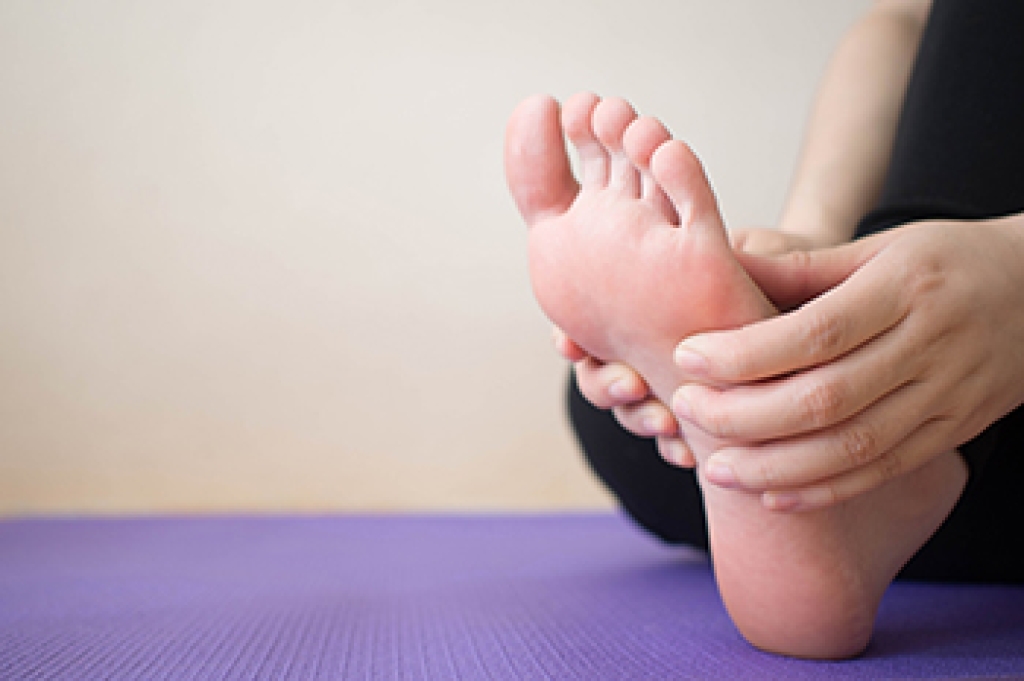
Stretches to Ease Heel Pain From Plantar Fasciitis

Plantar fasciitis is a frequent cause of heel pain that develops when the thick band of tissue under the foot becomes strained. Repetitive impact from running, long hours on hard surfaces, or tight calf muscles can lead to small tears, swelling, and pain. A podiatrist can recommend specific exercises to reduce tension and improve flexibility. Among them are calf stretches performed against a wall to loosen the large muscles in the back of the lower leg. Big toe stretches that gently pull the toe upward to lengthen the plantar fascia also help. In addition, towel-assisted or resistance-band stretches can help improve ankle motion. A podiatrist may also prescribe orthotics, taping, and footwear guidance to support healing. If you are experiencing heel pain from plantar fasciitis, it is suggested that you make an appointment with a podiatrist for a diagnosis and treatment options.

Many people suffer from bouts of heel pain. For more information, contact one of out podiatrists of Alta Ridge Foot Specialist. Our doctors can provide the care you need to keep you pain-free and on your feet.

Causes of Heel Pain

Heel pain is often associated with plantar fasciitis. The plantar fascia is a band of tissues that extends along the bottom of the foot. A rip or tear in this ligament can cause inflammation of the tissue.

Achilles tendonitis is another cause of heel pain. Inflammation of the Achilles tendon will cause pain from fractures and muscle tearing. Lack of flexibility is also another symptom.

Heel spurs are another cause of pain. When the tissues of the plantar fascia undergo a great deal of stress, it can lead to ligament separation from the heel bone, causing heel spurs.

Why Might Heel Pain Occur?

  • Wearing ill-fitting shoes                
  • Wearing non-supportive shoes
  • Weight change           
  • Excessive running

Treatments

Heel pain should be treated as soon as possible for immediate results. Keeping your feet in a stress-free environment will help. If you suffer from Achilles tendonitis or plantar fasciitis, applying ice will reduce the swelling. Stretching before an exercise like running will help the muscles. Using all these tips will help make heel pain a condition of the past.

If you have any questions, please feel free to contact our offices located in Mars Hill, Spruce Pine, and Boone, NC . We offer the newest diagnostic and treatment technologies for all your foot care needs.


Read more about Heel Pain

Ingrown Toenail Surgery

Ingrown toenail surgery is performed to relieve pain and infection caused when the edge of a toenail grows into the surrounding skin. Ingrown toenails often leads to redness, swelling, and tenderness near the tip of the toe. Surgery may be recommended when conservative care does not provide lasting relief. One common procedure is a wedge resection, in which a small portion of the nail and surrounding tissue is carefully removed to reduce pressure on the skin. Toenail removal may involve partial or complete nail removal to treat severe cases. Additionally, matrixectomy is a technique that treats the nail growth center to prevent the problematic portion from returning. A podiatrist can evaluate the condition and provide safe, effective treatment to restore comfort and healthy nail growth. If you have an ingrown toenail that is painful and interfering with daily activities, it is suggested that you consult a podiatrist who can discuss whether you are a candidate for this type of foot surgery.

Foot surgery is sometimes necessary to treat a foot ailment. To learn more, contact one of out podiatrists of Alta Ridge Foot Specialist. Our doctors will assist you with all of your foot and ankle needs.

When Is Surgery Necessary?

Foot and ankle surgery is generally reserved for cases in which less invasive, conservative procedures have failed to alleviate the problem. Some of the cases in which surgery may be necessary include:

  • Removing foot deformities like bunions and bone spurs
  • Severe arthritis that has caused bone issues
  • Cosmetic reconstruction

What Types of Surgery Are There?

The type of surgery you receive will depend on the nature of the problem you have. Some of the possible surgeries include:

  • Bunionectomy for painful bunions
  • Surgical fusion for realignment of bones
  • Neuropathy decompression surgery to treat nerve damage

Benefits of Surgery

Although surgery is usually a last resort, it can provide more complete pain relief compared to non-surgical methods and may allow you to finally resume full activity.

Surgical techniques have also become increasingly sophisticated. Techniques like endoscopic surgery allow for smaller incisions and faster recovery times.

If you have any questions, please feel free to contact our offices located in Mars Hill, Spruce Pine, and Boone, NC . We offer the newest diagnostic and treatment technologies for all your foot care needs.

Read more about Foot and Ankle Surgery

Gout Pain Can Be Managed

Gout is a painful, inflammatory form of arthritis. Those affected will typically feel an intense stiffness in the joints of their feet, particularly in the big toe. Schedule a visit to learn about how gout can be managed and treated.

The Importance of Stretching the Toes

Stretching the toes plays an important role in maintaining healthy feet. The toes contain joints, muscles, and tendons that help support balance and movement while walking or standing. When they become stiff, the toes may not move normally, which can lead to discomfort or reduced flexibility. Regular toe stretching helps improve mobility, allowing the toes to move through their full range of motion. It can also improve blood flow, which supports healthy tissue and may reduce swelling. Flexible toes also help the foot absorb pressure more evenly when walking, which may lower the risk of strain or injury. Stretching can also support proper alignment of the toes and forefoot, an area that includes the bones just behind the toes. A podiatrist can examine the toes and feet to identify stiffness, imbalance, or developing conditions like bunions or hammertoes. If you are experiencing toe pain, it is suggested that you make an appointment with a podiatrist for an exam, diagnosis, and treatment.

Exercising your feet regularly with the proper foot wear is a great way to prevent injuries and build strength. If you have any concerns about your feet, contact one of out podiatrists from Alta Ridge Foot Specialist. Our doctors can provide the care you need to keep you pain-free and on your feet.

Exercise for Your Feet

Exercise for your feet can help you gain strength, mobility and flexibility in your feet. They say that strengthening your feet can be just as rewarding as strengthening another part of the body. Your feet are very important, and we often forget about them in our daily tasks. But it is because of our feet that are we able to get going and do what we need to. For those of us fortunate enough to not have any foot problems, it is an important gesture to take care of them to ensure good health in the long run.

Some foot health exercises can include ankle pumps, tip-toeing, toe rises, lifting off the floor doing reps and sets, and flexing the toes. It is best to speak with Our doctors to determine an appropriate regimen for your needs. Everyone’s needs and bodies are different, and the activities required to maintain strength in the feet vary from individual to individual. 

Once you get into a routine of doing regular exercise, you may notice a difference in your feet and how strong they may become.

If you have any questions, please feel free to contact our offices located in Mars Hill, Spruce Pine, and Boone, NC . We offer the newest diagnostic and treatment technologies for all your foot care needs.

Read more about Exercise for Your Feet

Causes of Swollen Feet

Swollen feet can develop when fluid builds up in the tissues of the lower extremities. This swelling may be related to several underlying health conditions including diabetes, liver damage, kidney damage, foot infection, or heart failure. These conditions can affect circulation, fluid balance, and tissue health, leading to visible swelling and discomfort in the feet. Risk factors include poor circulation, chronic illness, prolonged standing, and limited physical activity. Symptoms may include tight skin, tenderness, warmth, and difficulty wearing shoes comfortably. Because swelling may signal a more serious health concern, proper evaluation is important. A podiatrist can assess foot health, identify signs of infection or circulation problems, and recommend supportive care. If you are experiencing persistent swelling, it is suggested that you promptly consult a podiatrist who can determine what the cause is, and offer effective relief and management solutions.

Swollen feet can be a sign of an underlying condition. If you have any concerns, contact one of out podiatrists of Alta Ridge Foot Specialist. Our doctors can provide the care you need to keep you pain-free and on your feet.

Swollen feet are a common ailment among pregnant women and people who stand or sit for extended periods. Aging may increase the possibility of swollen feet and patients who are obese often notice when their feet are swelling too. There may be medical reasons why swollen feet occur:

  • Phlebitis - A condition that causes the veins to become inflamed and can also cause leg pain.
  • Liver disease - This may lead to low blood levels of albumin which is a protein. This can cause fluid in the blood to pass into the tissues and several areas of the body can become swollen.
  • Heart failure - When the heart doesn’t pump properly the blood that is normally pumped back to the heart can pool in the veins of the legs causing swollen feet.
  • Kidney disease - One of the main functions of the kidneys is releasing excess fluid in the body. This type of condition can make it difficult for the kidneys to function properly, and as a result the feet may become swollen.
  • Deep-vein thrombosis (DVT)- This is a serious condition where blood clots form in the veins of the legs. They can block the return of blood from the legs to the heart which may cause the feet to swell. It is important to be treated by a podiatrist if this condition is present.

Swollen feet can also be caused by bone and tendon conditions, including fractures, arthritis, and tendinitis. Additionally, there may be skin and toenail conditions and an infection may cause the feet to swell. Patients who take medicine to treat high blood pressure may be prone to getting swollen feet. 

Many patients elevate their feet to help relieve the swelling and this is generally a temporary remedy. When a podiatrist is consulted the reason behind the swelling can be uncovered and subsequently treated.

If you have any questions please contact our offices located in Mars Hill, Spruce Pine, and Boone, NC . We offer the newest diagnostic and treatment technologies for all your foot and ankle needs.

Read more about Swelling of the Feet
scroll to top