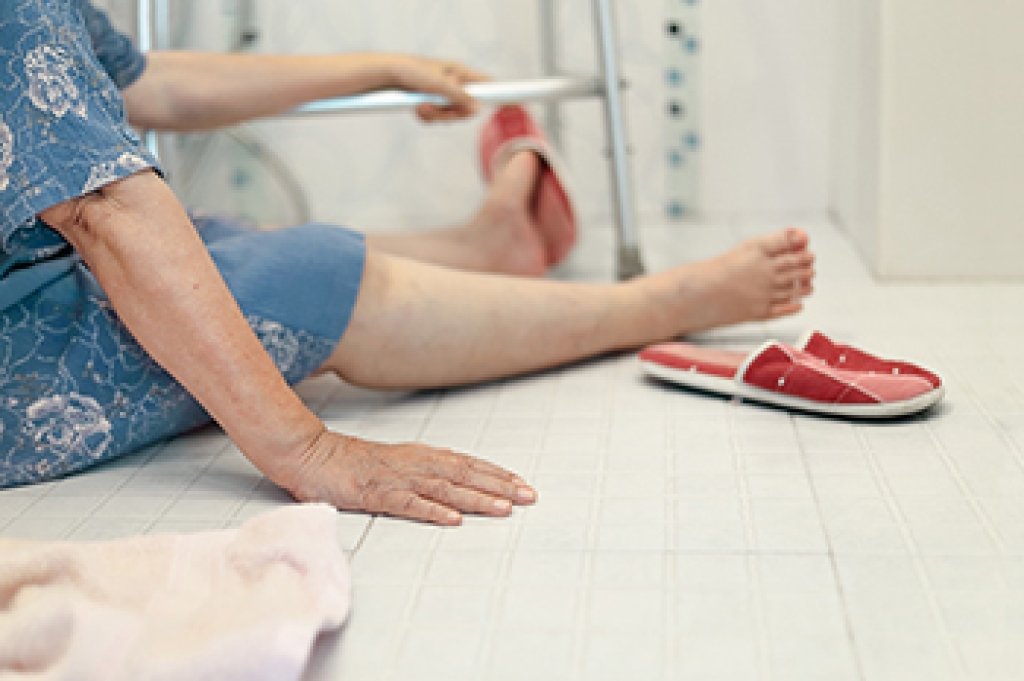
Falls can cause serious injuries and threaten an older adult’s independence. Foot pain, poor balance, and wearing poorly-fitting shoes can make a fall more likely. Shoes affect how securely the feet meet the ground. Loose shoes can slide or come off, while high heels can shift body weight forward. Smooth soles provide less grip on slick surfaces. Shoes that lack proper support can also reduce stability. Choosing appropriate shoes is therefore an important part of a complete falls-prevention plan.
A safer shoe should fit securely without pinching the toes or slipping at the heel. Laces, straps, or buckles help hold the foot in place. A wide, low heel provides a steadier base than a narrow or raised heel. The sole should have good traction and enough contact with the ground. Lightweight shoes can make it easier to lift the feet and avoid catching a toe. Patients should replace shoes with badly worn tread or uneven soles. Slippers, backless shoes, and socks without shoes can increase the chance of slipping. Even a well-designed shoe can create problems when it is the wrong size, so both feet should be measured because their size can differ.
A podiatrist can examine the feet for problems that interfere with safe movement. The evaluation includes checking strength, joint motion, and sensation. The podiatrist can also watch how a patient stands and walks to identify changes that affect balance. Treatment can reduce pain from corns, thick nails, or arthritis. Custom orthotics can improve support and help distribute pressure more evenly inside the shoes. A podiatrist can recommend shoe features based on the patient’s foot shape, health needs, and activity level. Regular foot examinations can detect changes that make walking less secure. Addressing these concerns can support mobility, confidence, and independence. If you have injured your foot or ankle from falling, it is suggested that you schedule an appointment with a podiatrist for relief and treatment solutions.
Preventing falls among the elderly is very important. If you are older and have fallen or fear that you are prone to falling, consult with one of out podiatrists from Alta Ridge Foot Specialist. Our doctors will assess your condition and provide you with quality advice and care.
Every 11 seconds, an elderly American is being treated in an emergency room for a fall related injury. Falls are the leading cause of head and hip injuries for those 65 and older. Due to decreases in strength, balance, senses, and lack of awareness, elderly persons are very susceptible to falling. Thankfully, there are a number of things older persons can do to prevent falls.
How to Prevent Falls
Some effective methods that older persons can do to prevent falls include:
- Enrolling in strength and balance exercise program to increase balance and strength
- Periodically having your sight and hearing checked
- Discuss any medications you have with a doctor to see if it increases the risk of falling
- Clearing the house of falling hazards and installing devices like grab bars and railings
- Utilizing a walker or cane
- Wearing shoes that provide good support and cushioning
- Talking to family members about falling and increasing awareness
Falling can be a traumatic and embarrassing experience for elderly persons; this can make them less willing to leave the house, and less willing to talk to someone about their fears of falling. Doing such things, however, will increase the likelihood of tripping or losing one’s balance. Knowing the causes of falling and how to prevent them is the best way to mitigate the risk of serious injury.
If you have any questions, please feel free to contact our offices located in Mars Hill, Spruce Pine, and Boone, NC . We offer the newest diagnostic and treatment technologies for all your foot care needs.
