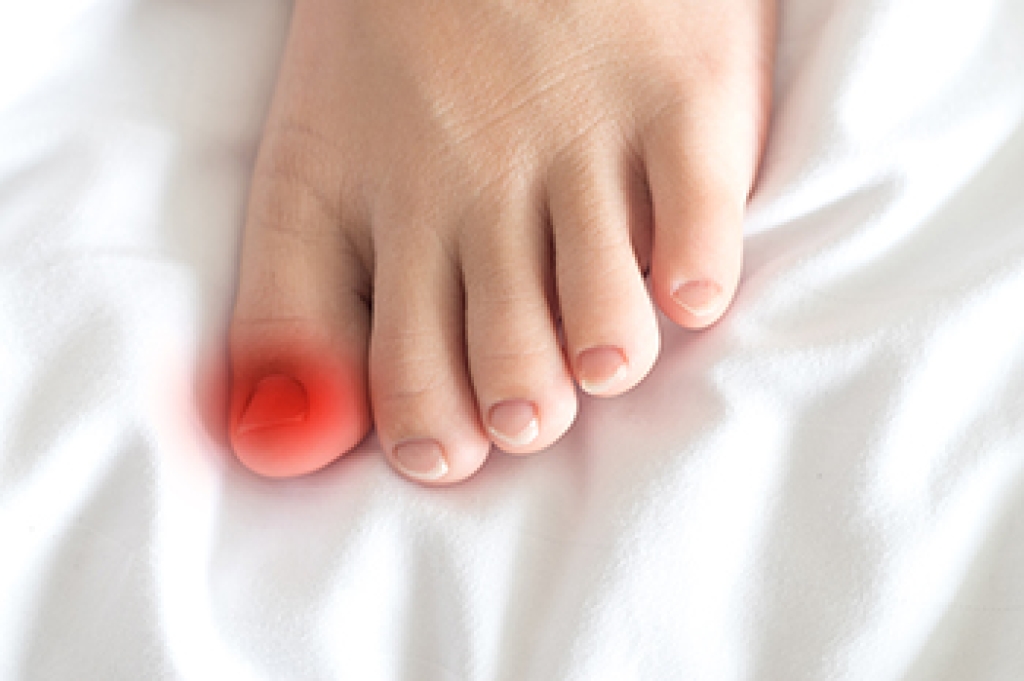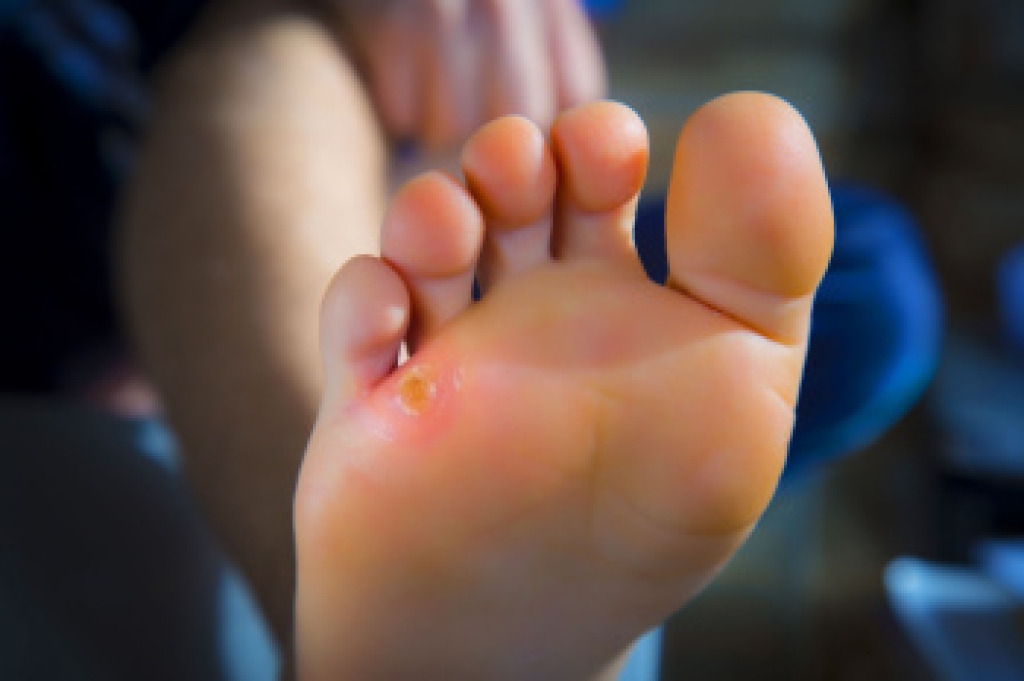
Corns on the feet are small areas of hard, thickened skin that develop in response to repeated pressure or rubbing. They are different from calluses, which usually cover a larger area of rough, thick skin. Corns frequently form on the toes or other parts of the foot exposed to concentrated pressure. They can feel tender or painful, especially when shoes press against them. Some corns remain painless, but discomfort can increase when the hardened area continues to receive pressure. Pain from a corn can eventually interfere with walking and normal daily activities.
Shoes that are too tight, too loose, or the wrong size can contribute to corn formation. High heels can also increase pressure on certain areas of the foot. Foot structure can play a role because bone problems may create areas that rub against shoes. As people age, the natural fat padding on the bottom of the feet can decrease. This can leave some areas exposed to greater pressure. Corns that bleed or produce pus or discharge require attention. Severe pain that limits normal activities is another reason to have the foot evaluated.
A podiatrist can examine the hardened skin to confirm that it is a corn and identify the pressure causing it. Treatment can include carefully removing thickened skin and using specialized pads to reduce pressure on the painful area. A podiatrist can also provide custom insoles when foot mechanics contribute to repeated friction. Patients with diabetes or circulation problems should have corns evaluated because foot problems can become more serious. Addressing shoe fit and pressure points can also help reduce the chance that corns will return. If you have symptoms of corns on the feet, it is suggested that you schedule an appointment with a podiatrist for diagnosis and treatment.
If you have any concerns regarding your feet and ankles, contact one of out podiatrists of Alta Ridge Foot Specialist. Our doctors will treat your foot and ankle needs.
Corns: What Are They? and How Do You Get Rid of Them?
Corns can be described as areas of the skin that have thickened to the point of becoming painful or irritating. They are often layers and layers of the skin that have become dry and rough, and are normally smaller than calluses.
Ways to Prevent Corns
There are many ways to get rid of painful corns such as wearing:
- Well-fitting socks
- Comfortable shoes that are not tight around your foot
- Shoes that offer support
Treating Corns
Treatment of corns involves removing the dead skin that has built up in the specific area of the foot. Consult with Our doctors to determine the best treatment option for your case of corns.
If you have any questions, please feel free to contact our offices located in Mars Hill, Spruce Pine, and Boone, NC . We offer the newest diagnostic and treatment technologies for all your foot care needs.